One source of context
The requirement created for a role should guide every evaluation that follows.
Exterview · 0→1 enterprise AI product
We built Exterview as a connected intelligence layer for enterprise hiring—carrying the context established for a role through evaluation, interviews, decisions, offers, and onboarding.
Scroll to build the system ↓
Hiring already had tools for storing applications, scheduling interviews, and tracking stages.
The requirement created for a role should guide every evaluation that follows.
Every stage should add evidence instead of restarting the candidate conversation.
AI can act across the workflow while people retain authority over the outcome.
02 / Product thesis
Define the requirement
Interpret candidate fit
Add structured evidence
Compare with context
Carry the decision forward
Turn acceptance into readiness
03 / How the product took shape
There was no single established product pattern to inherit. The work was deciding what the system should understand, how evidence should travel, where AI should act, and where people must stay in control.
We mapped daily hiring work and the enterprise layer beneath it—from jobs and candidates to customers, configuration, permissions, credits, and audit activity.
The candidate was moving through the funnel, but evidence was the product value that needed to survive every handoff.
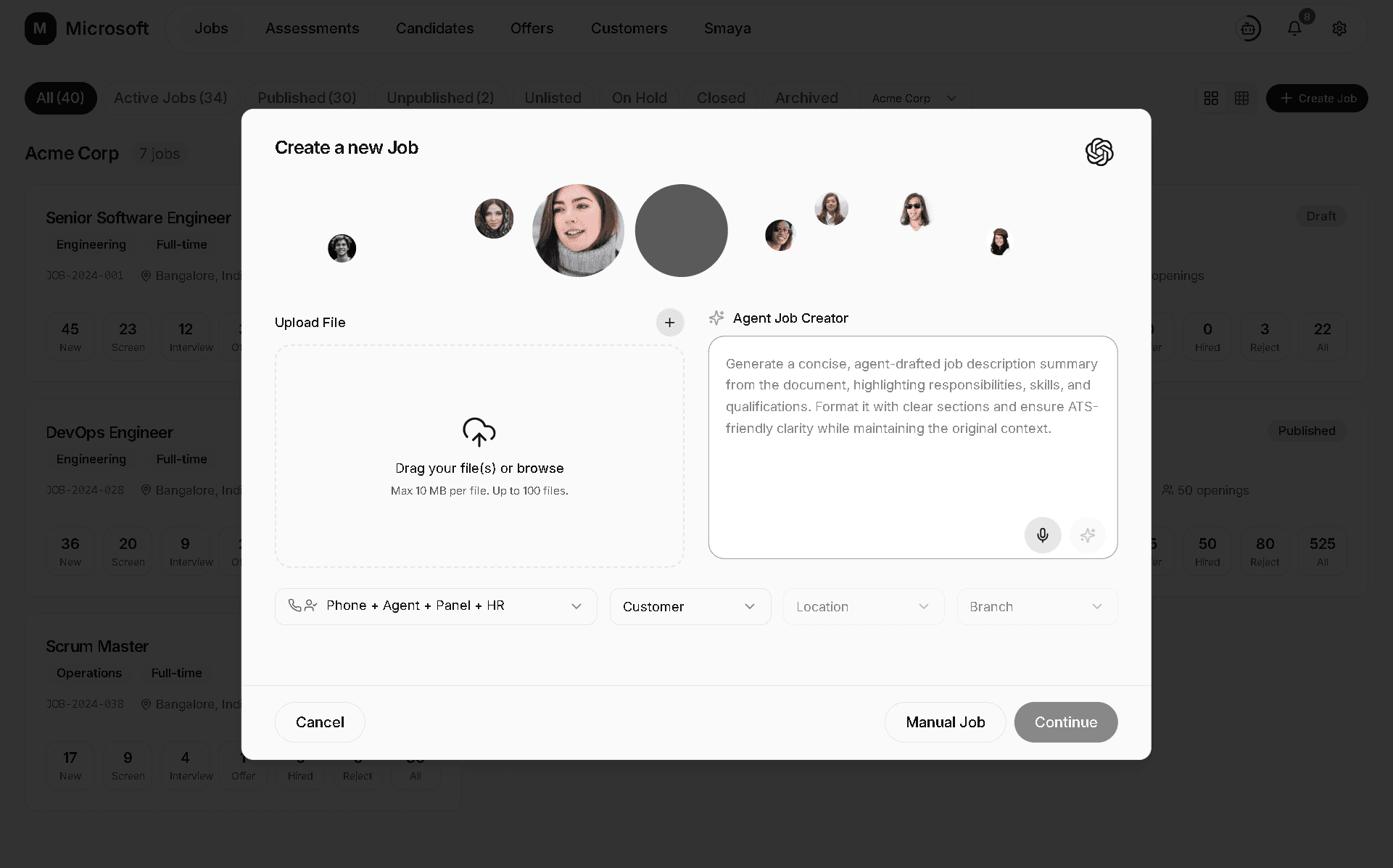
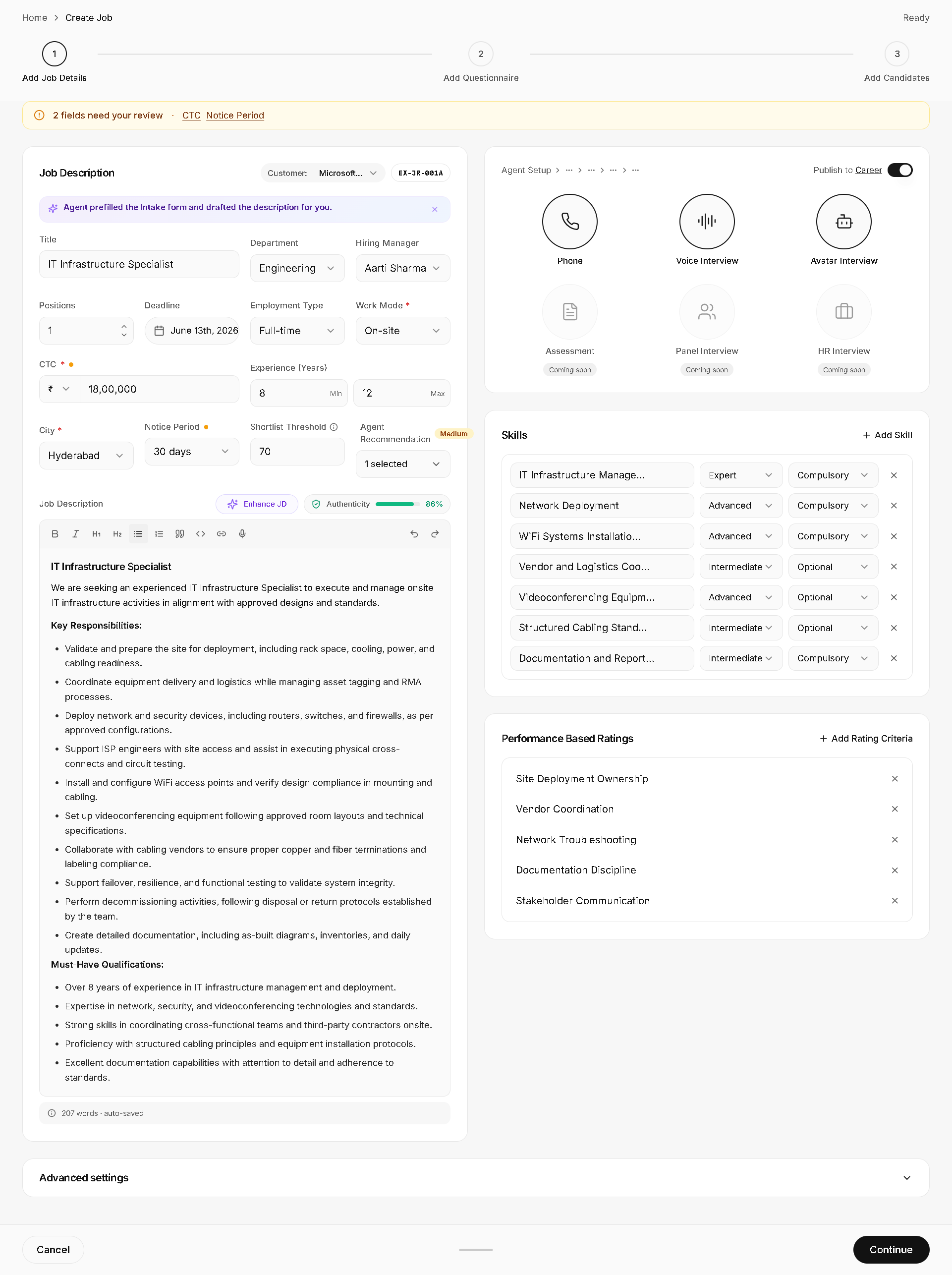
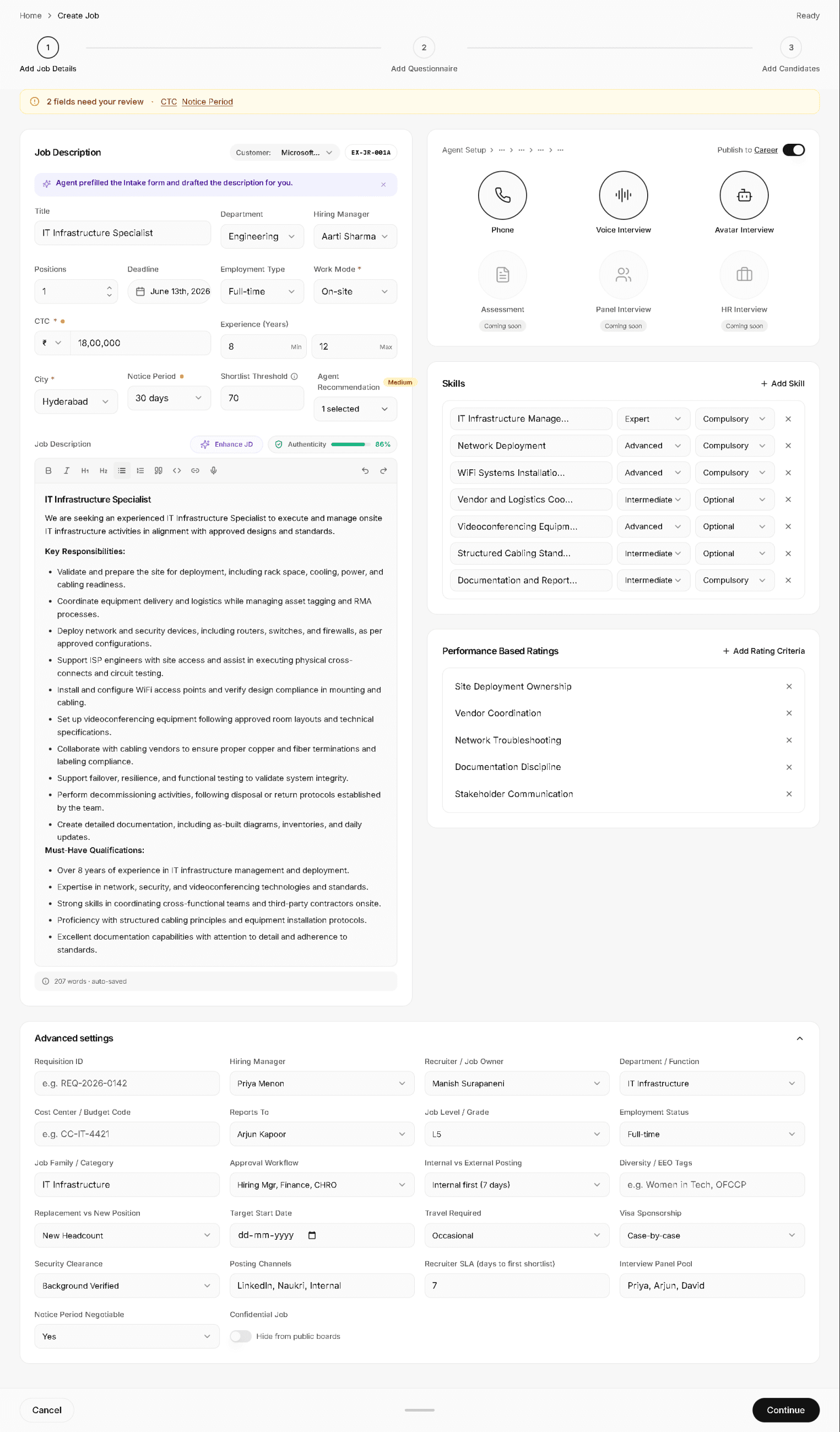
Skills, criteria, stages, questions, and scoring logic begin with the role, creating one reference point for every evaluation that follows.
AI can prepare, coordinate, and consolidate. People remain responsible for consequential employment decisions.
04 / Role intelligence
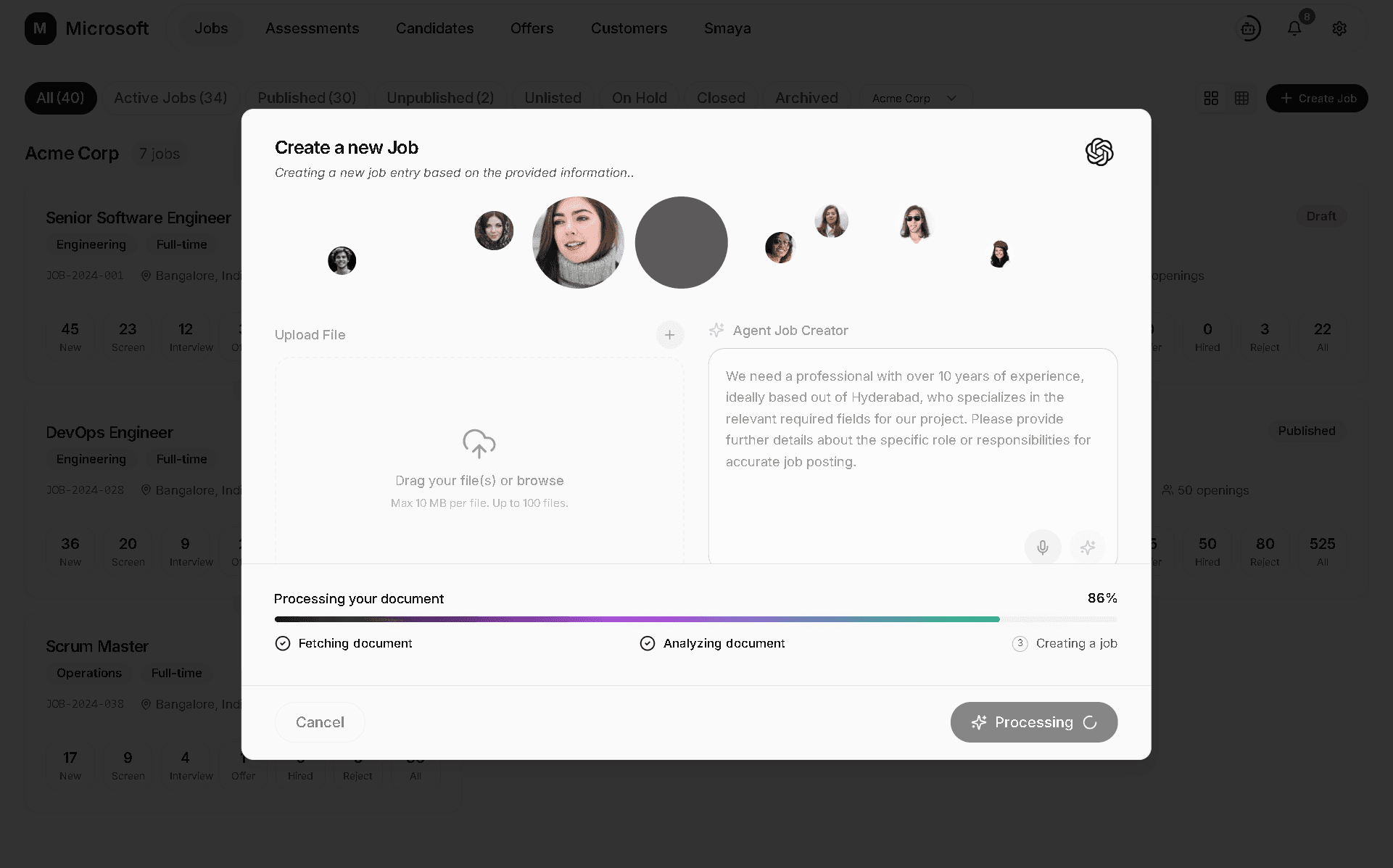
A role begins as hiring intent. Exterview turns it into criteria, skills, stages, questions, and evaluation logic that the rest of the system can inherit.
05 / The connected product
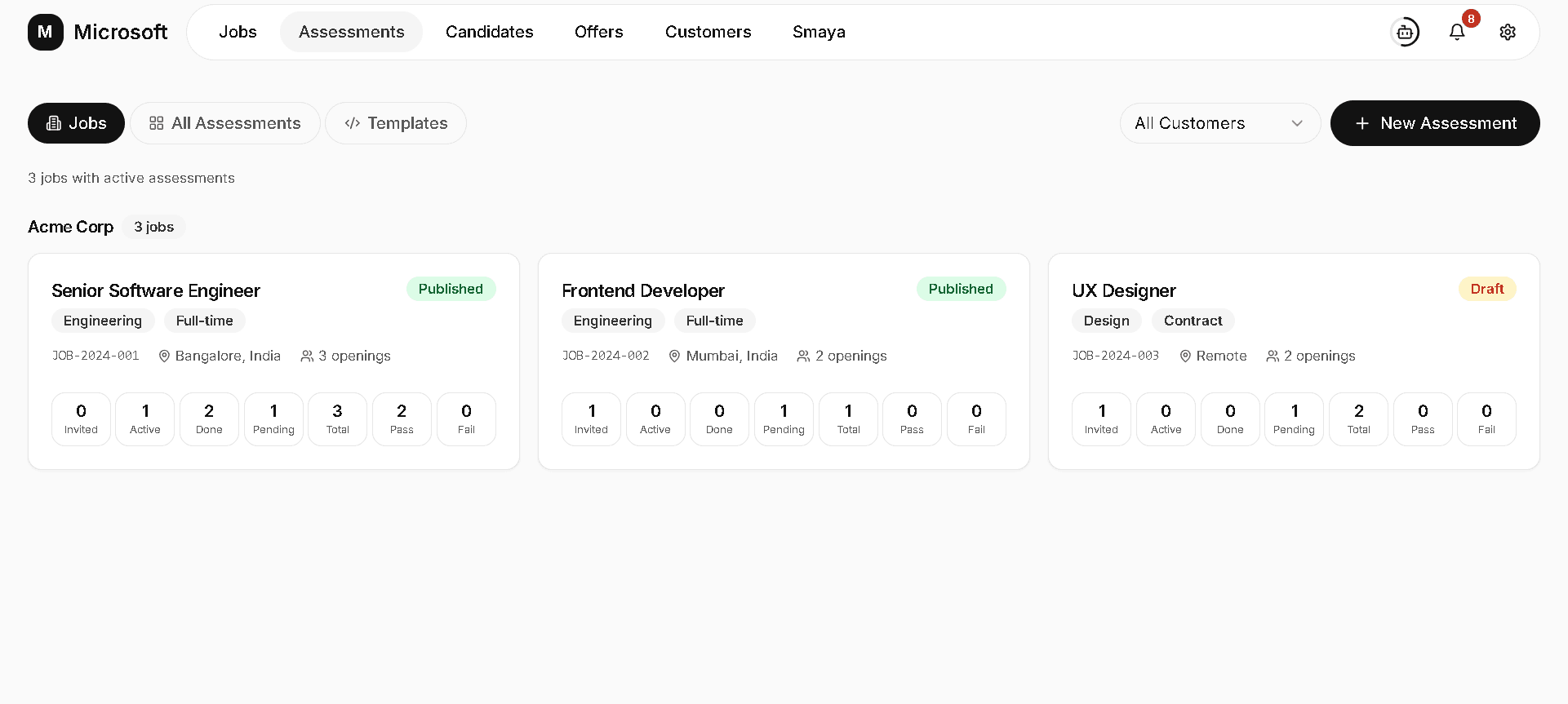
Job-level assessment states reveal invitations, active attempts, completion, pass, fail, and pending work while keeping the hiring context visible.
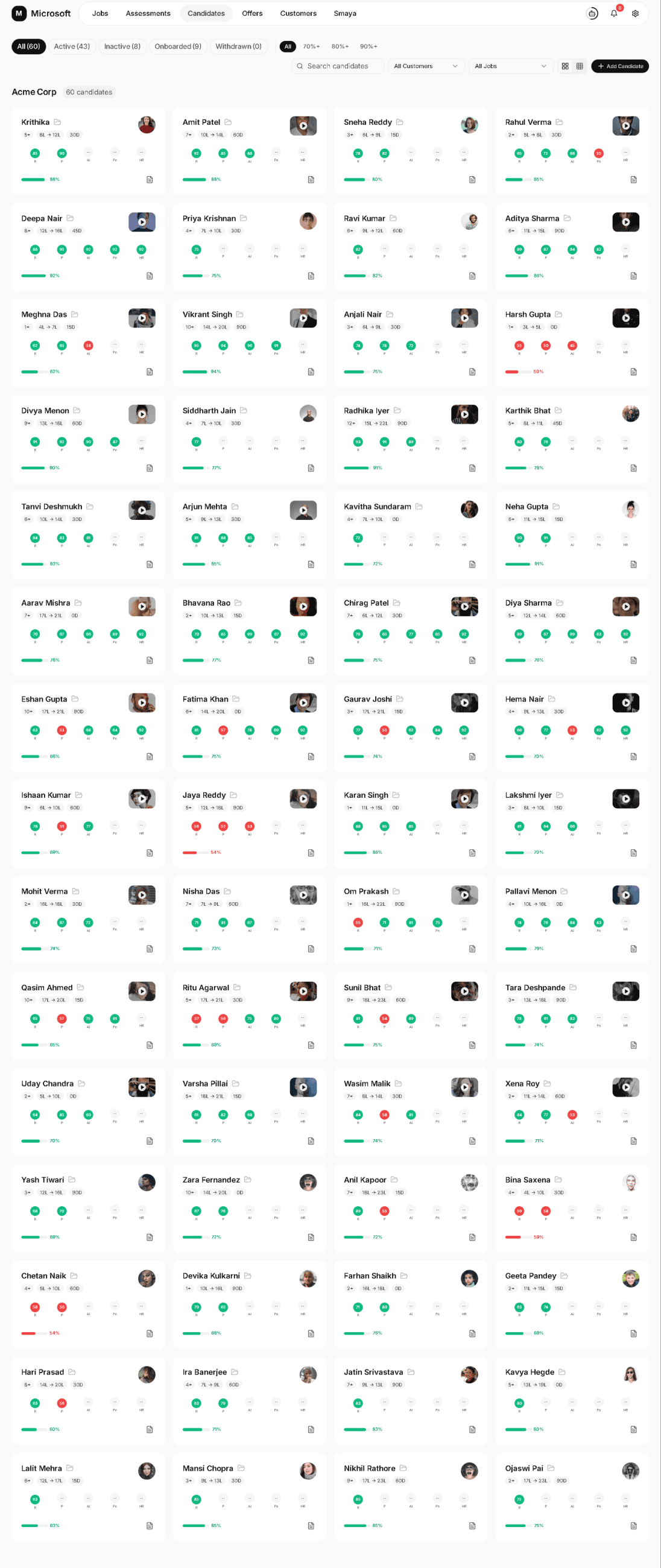
The overview supports fast scanning across many candidates while preserving match indicators, stage signals, progress, reports, and interview evidence for deeper inspection.
Reserved for the walkthrough showing how candidate evidence accumulates across evaluation stages.
Footage will be added when supplied
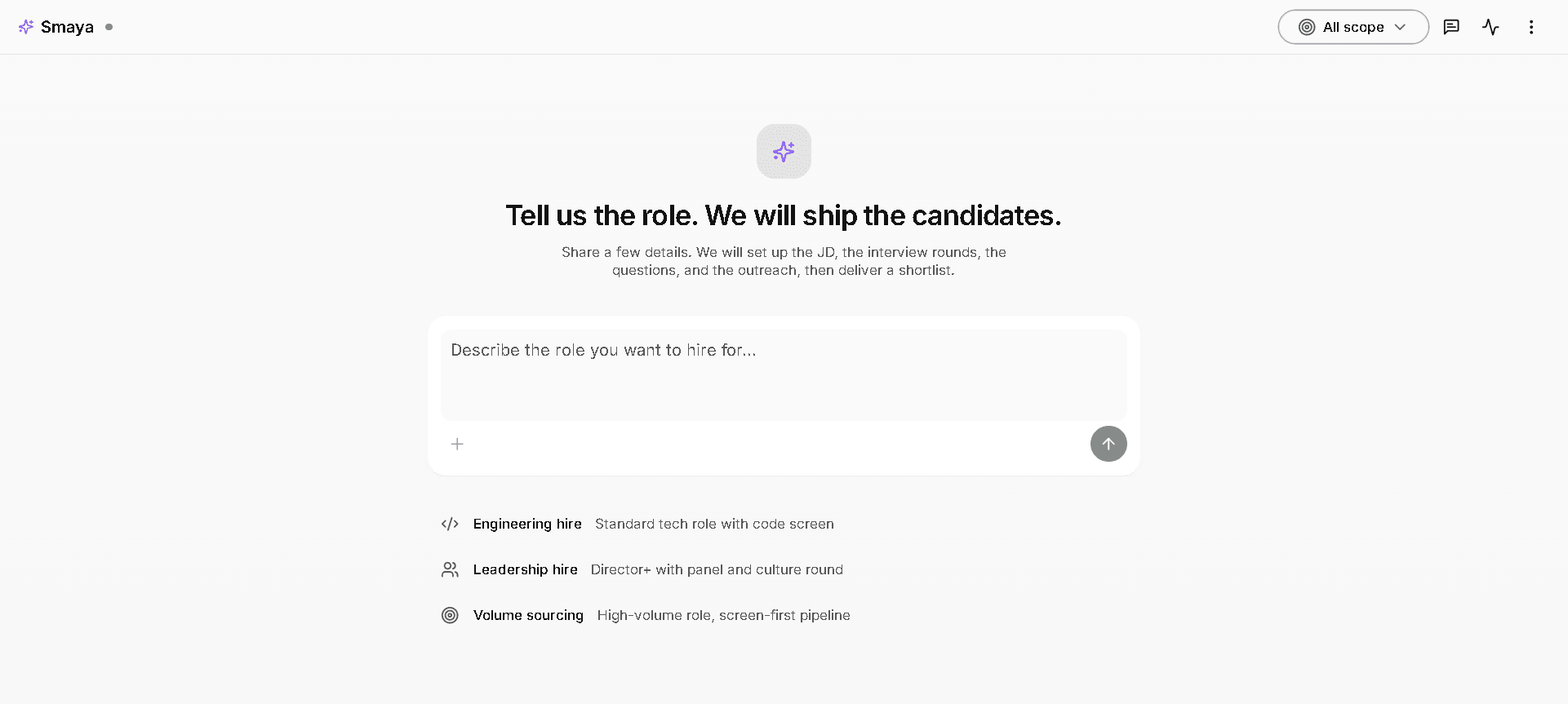
The opportunity was larger than a chat interface. Smaya became the coordinating layer: helping configure roles, prepare workflows, consolidate evidence, and surface moments that require human authority.
Reserved for footage demonstrating the agentic workflow and the points where recruiters review or approve actions.
Footage will be added when supplied
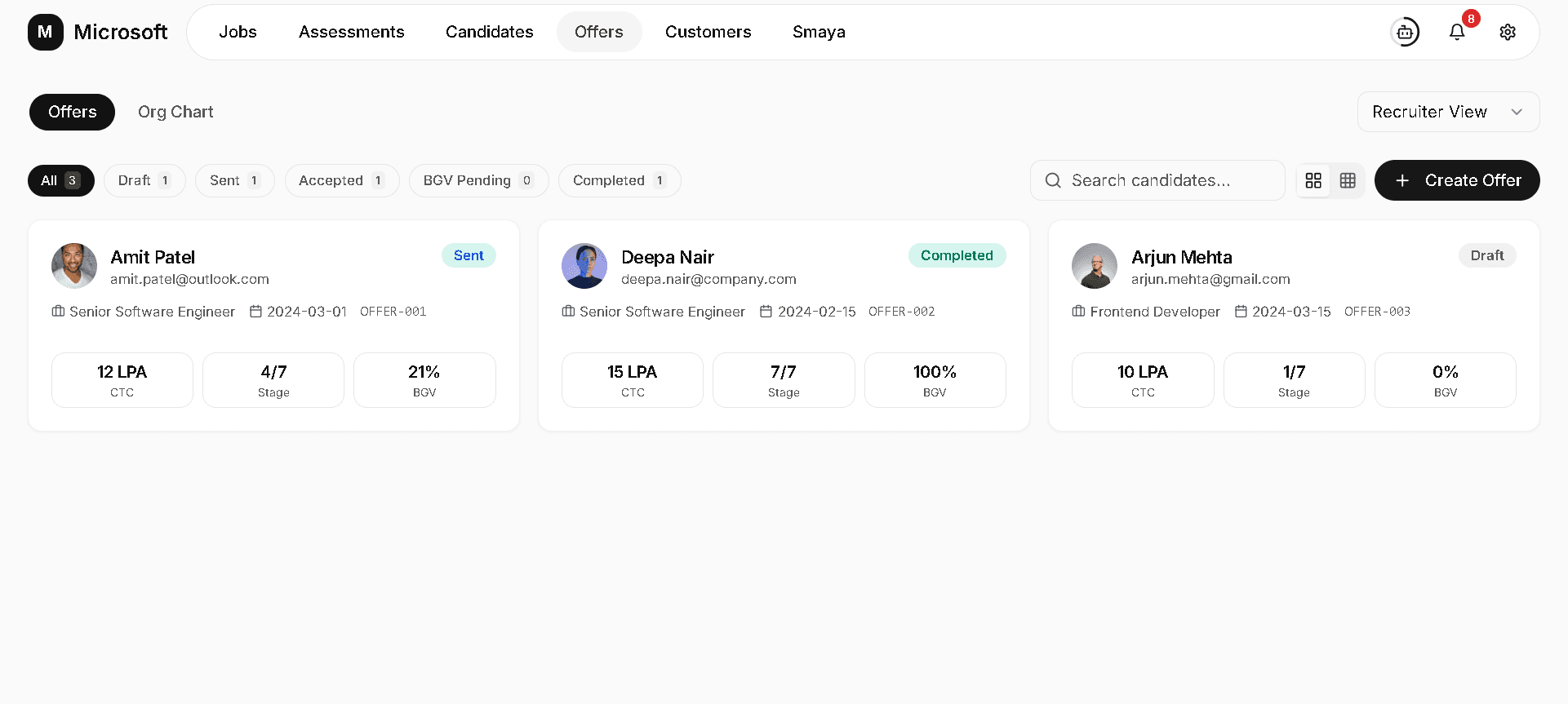
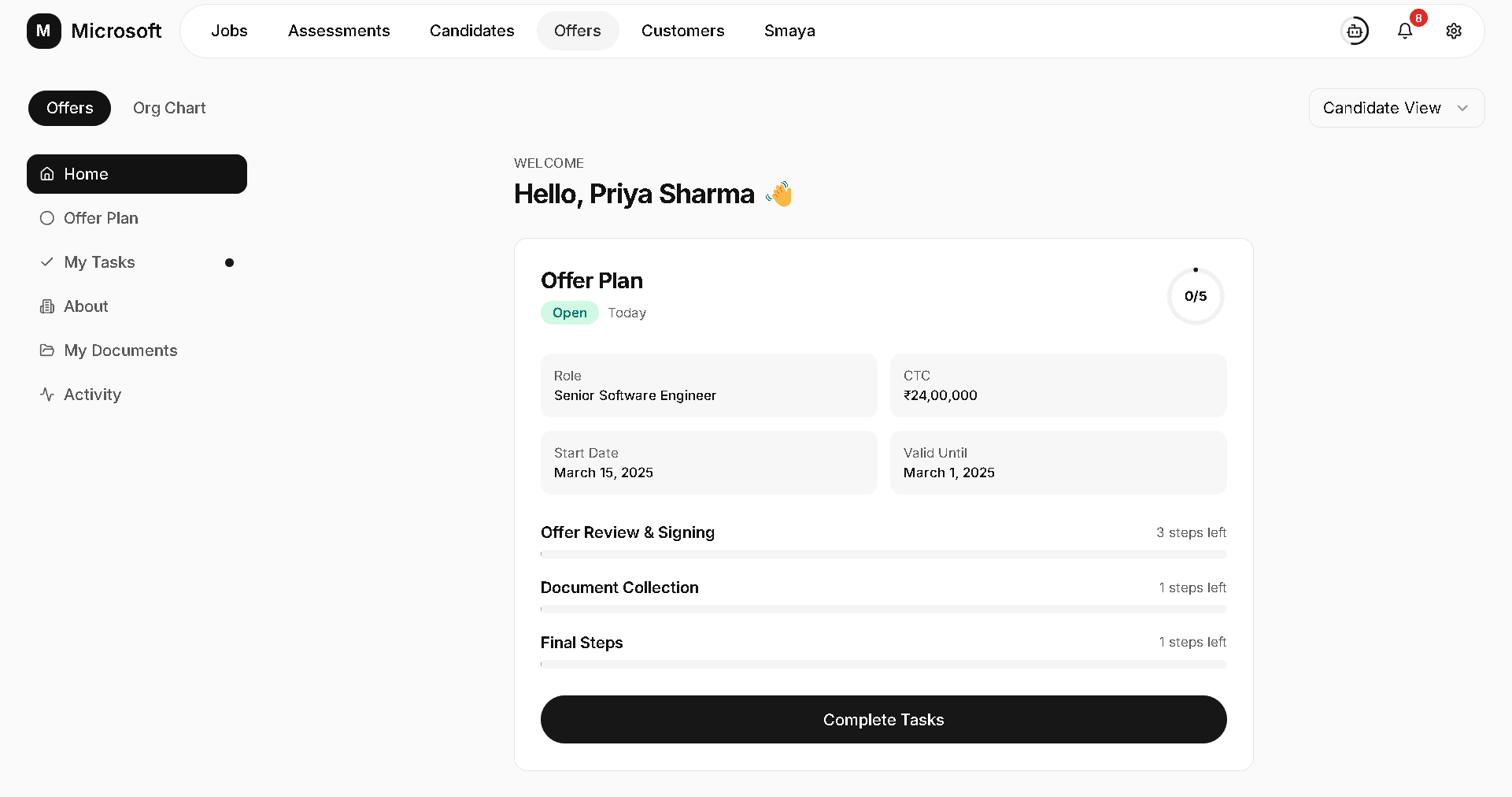
The recruiter and candidate experiences connect offer creation, status, compensation, documents, verification, signing, and next steps—reducing the context lost in the final handoff.
06 / The invisible foundation
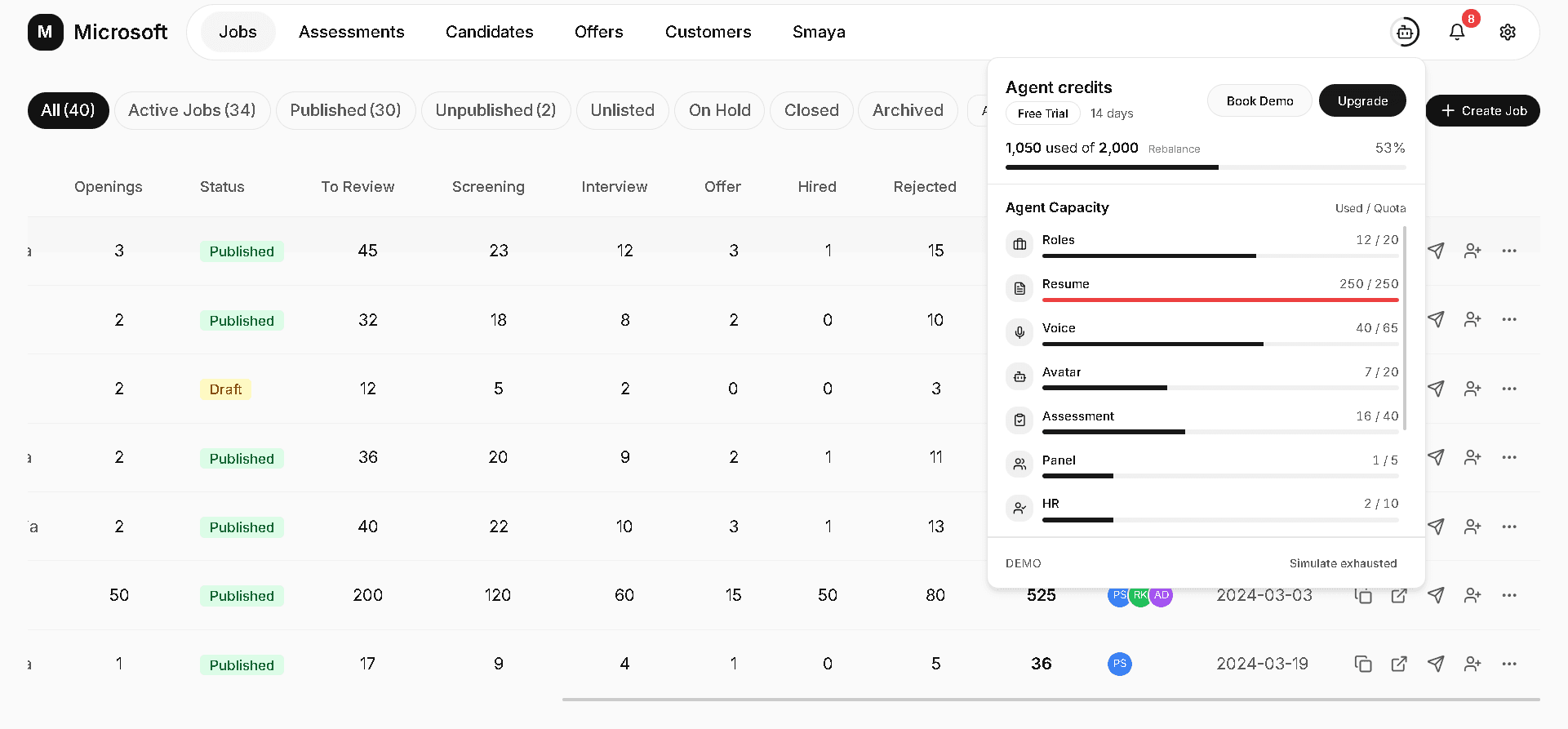
Enterprise readiness required daily hiring work and deep administration to feel like two layers of the same product.
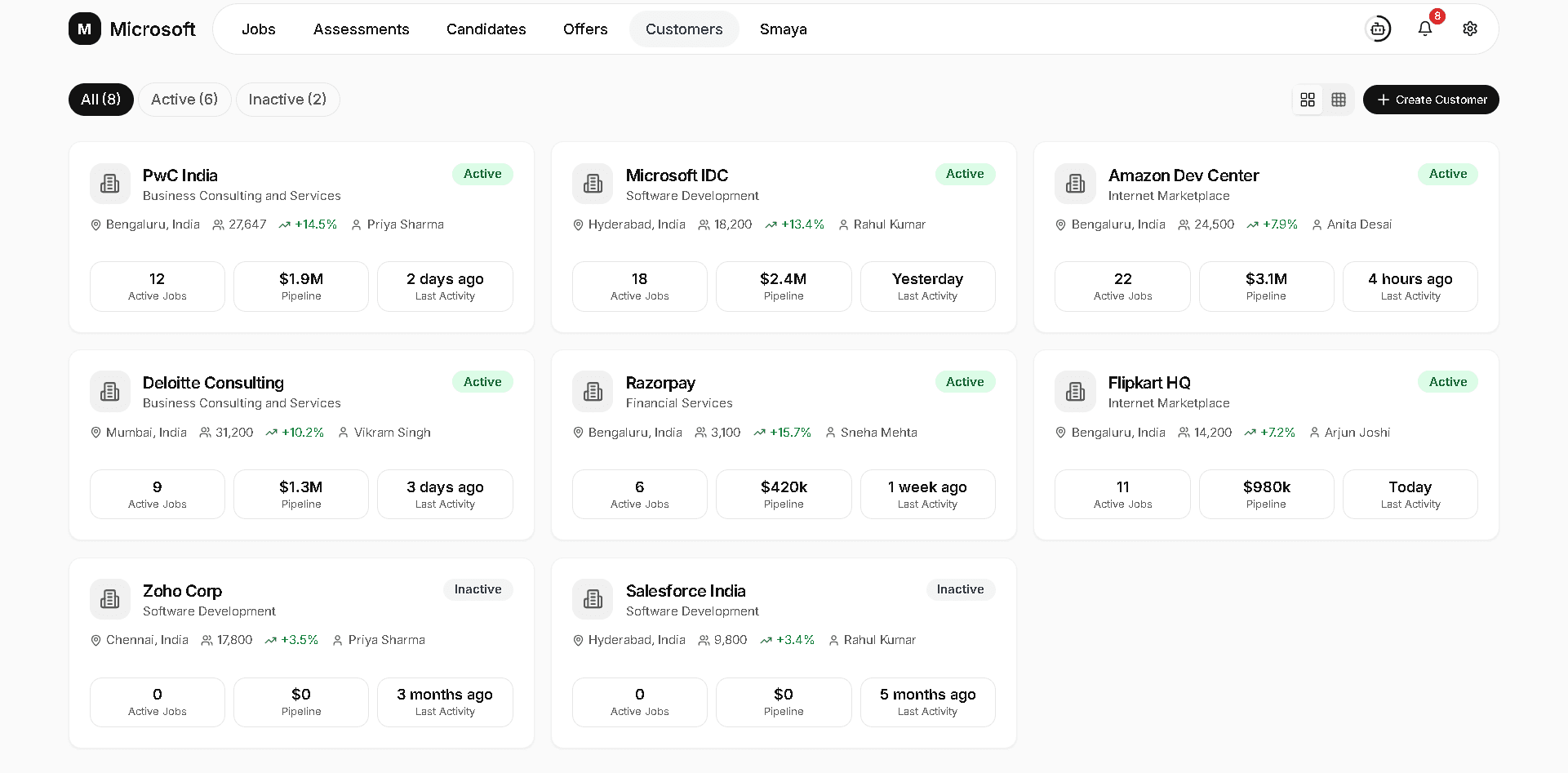
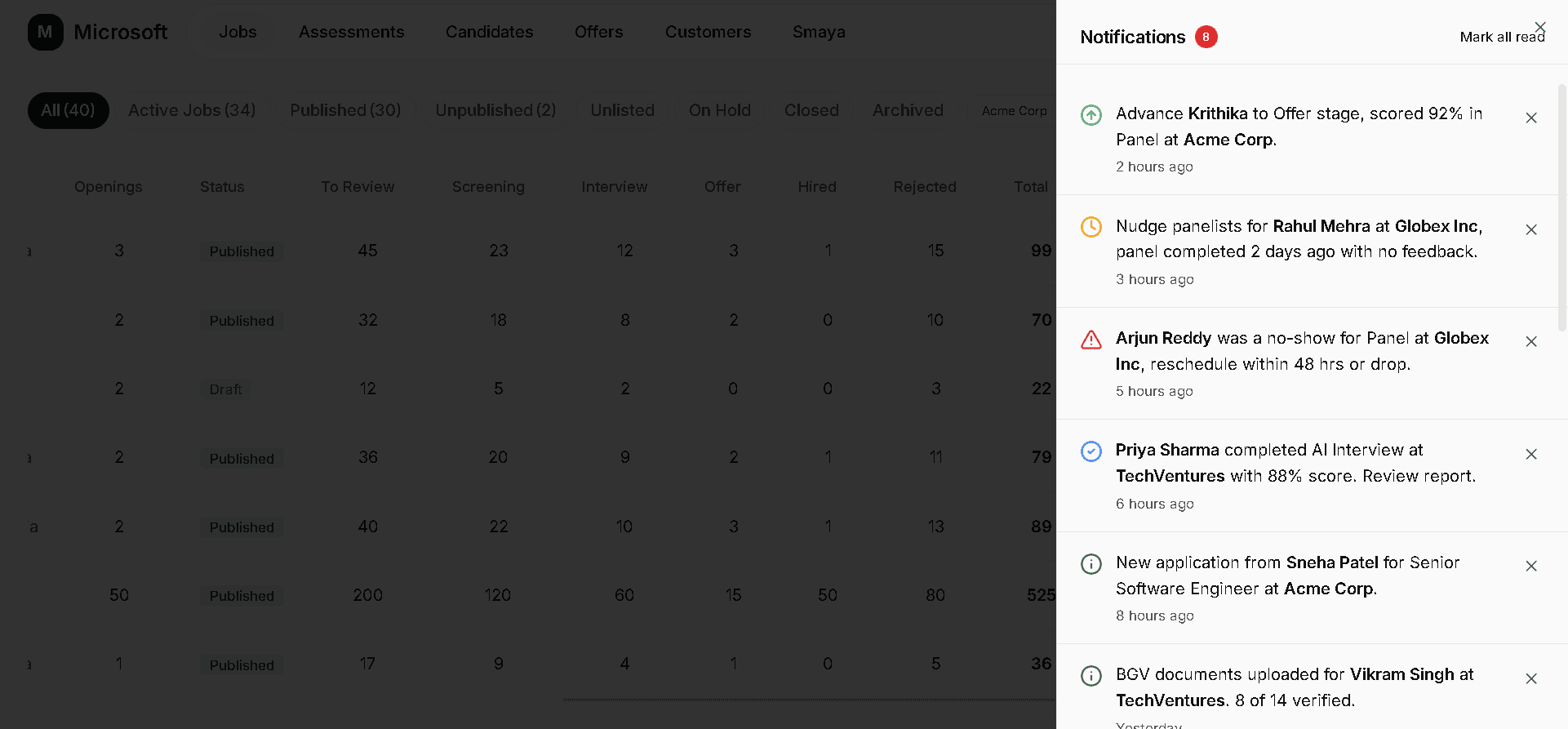
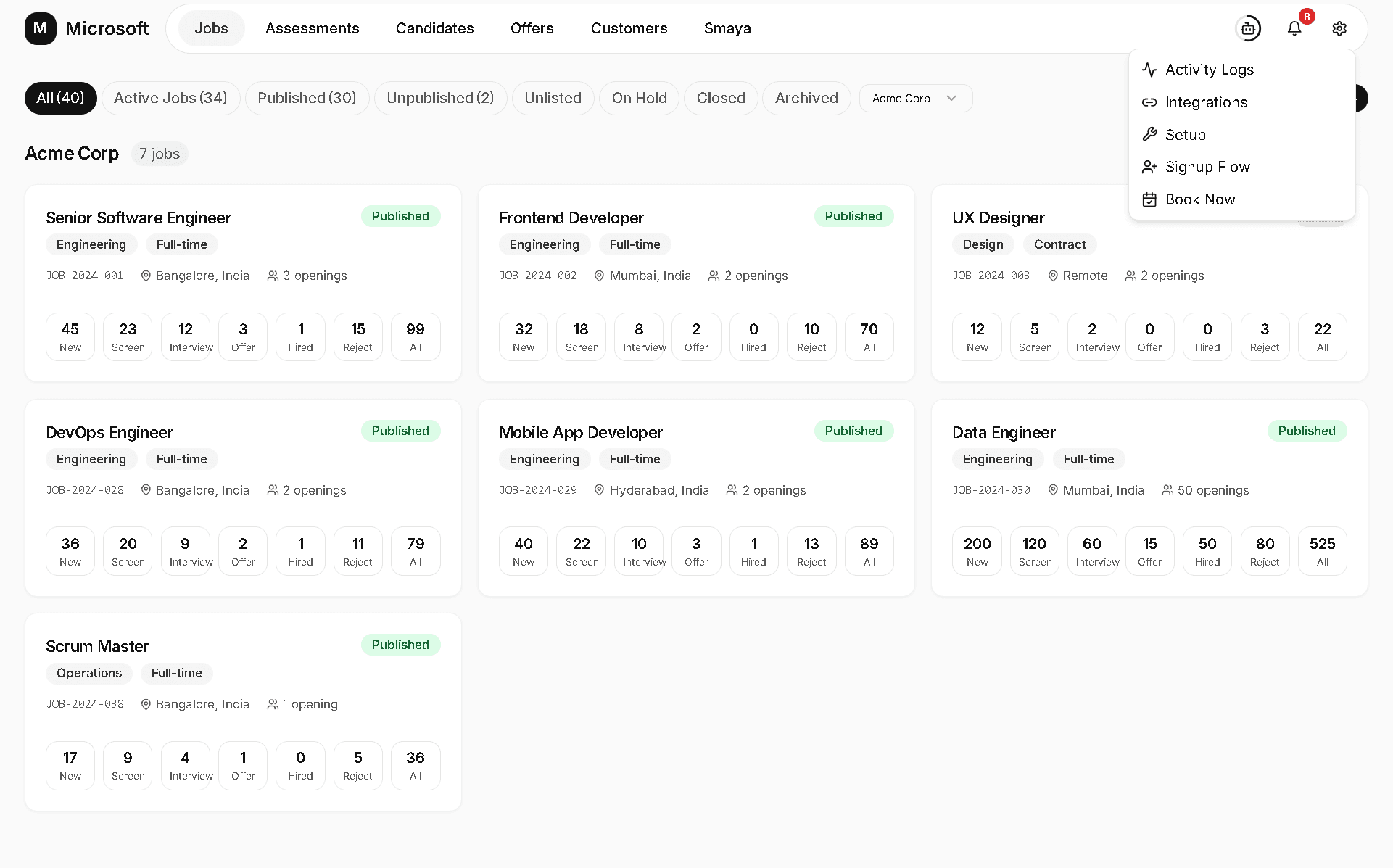
Organizations, users, pipelines, skills, templates, tasks, and knowledge.
Permissions, integrations, activity, notifications, and usage controls.
A focused recruiter surface that does not expose every administrative decision.
07 / Business value
Until internal performance evidence is confirmed, the case study connects each design move to the business value it was built to enable—without presenting marketing claims as measured design outcomes.
One operational view, automated setup, and action-led notifications.
Business valueLess coordination work and faster identification of what needs attention.
Role-aligned criteria and evidence that accumulates across stages.
Business valueMore comparable evaluations and less dependence on memory or momentum.
Configuration, permissions, integrations, usage controls, and inspectable activity.
Business valueA clearer path from an AI demo to an enterprise-operable product.
Shared interaction patterns and the Exterview design system beneath the application.
Business valueA product foundation that can expand without becoming a different interface for every workflow.
08 / Product footage
These placeholders preserve the final narrative positions. The supplied videos can replace them without changing the page structure or story.
Reserved for the final overview connecting role creation, evaluation, decisions, offers, and enterprise controls.
Footage will be added when supplied
09 / Foundation for scale
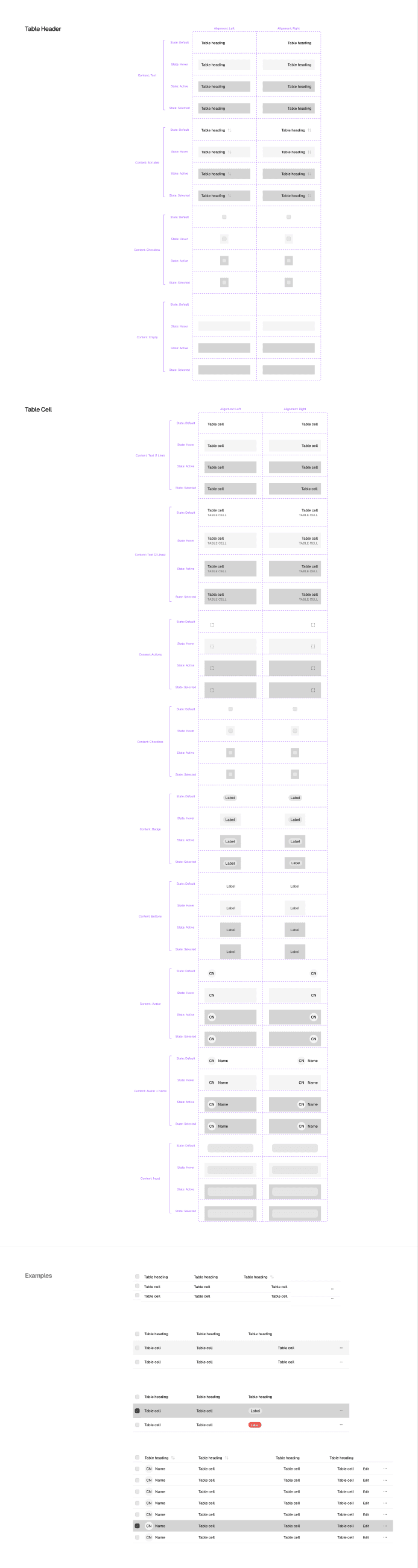
The companion case study shows how tokens, components, tables, charts, states, and navigation were structured to support Exterview’s expanding enterprise product.
Explore the Exterview design system ↗