0%


Contextual research / Mixed methods / Experience framework
Ideal Experienceof a Retail Store.
Scroll to enter the store
The question
What would it take for a big-box shopping trip to feel genuinely good?
Not just efficient. Not just done. The team defined the experience first, then translated it into a tangible store journey.
- Duration
- Jan to Mar 2024
- Course
- Methods of Contextual Research
- Team
- 6 cross-disciplinary members
- Foundation
- Lextant-developed frameworks
- Tools
- Figma / InDesign / Notion / Autodesk
The complete process
From the store floor
to a designed response.
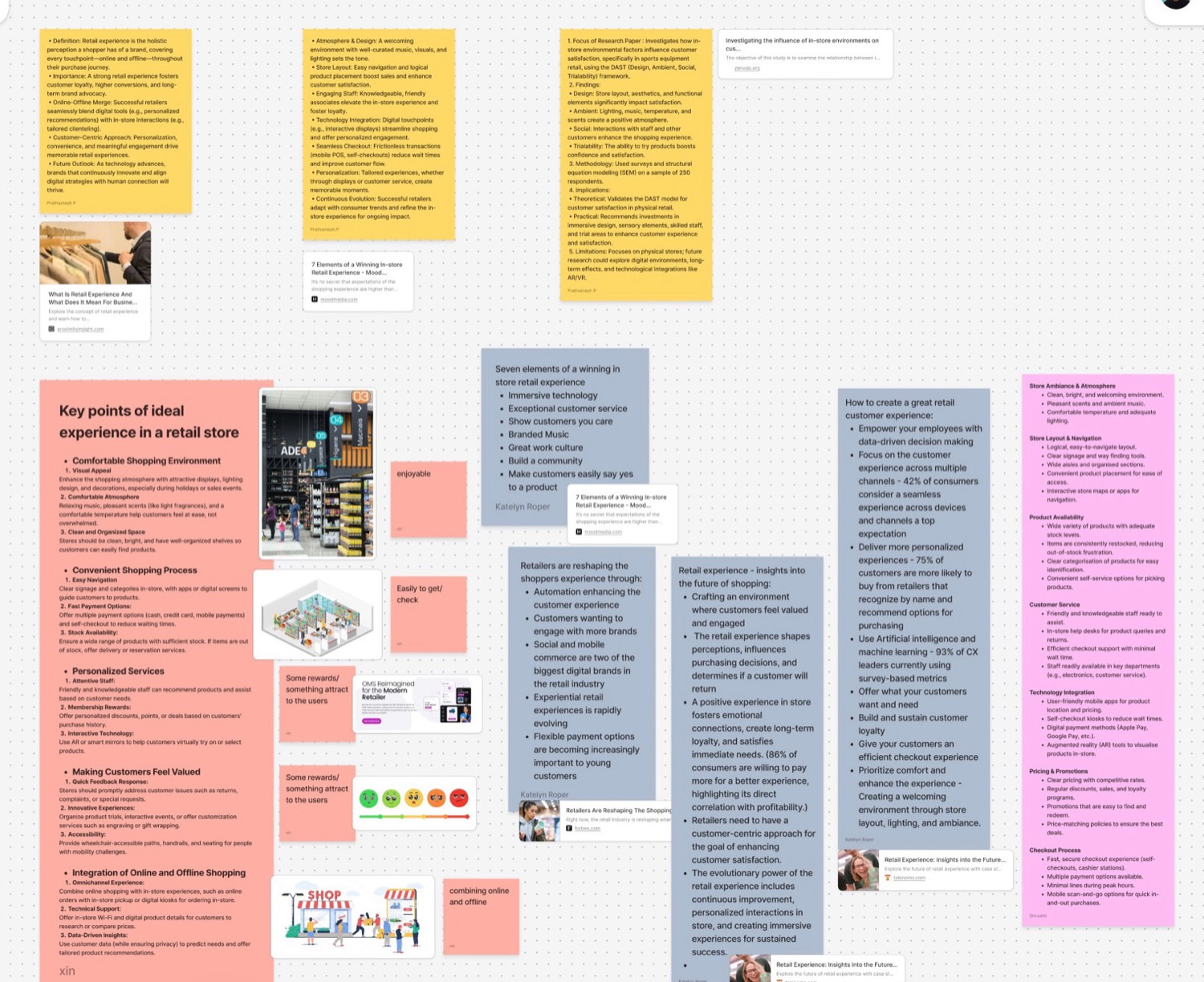
The work moved in sequence. Each method added a different kind of evidence before the team synthesized anything.
- 01
Secondary research
50+ articles from Gartner, McKinsey, Deloitte, and others mapped the retail narrative.
- 02
Behavioural observation
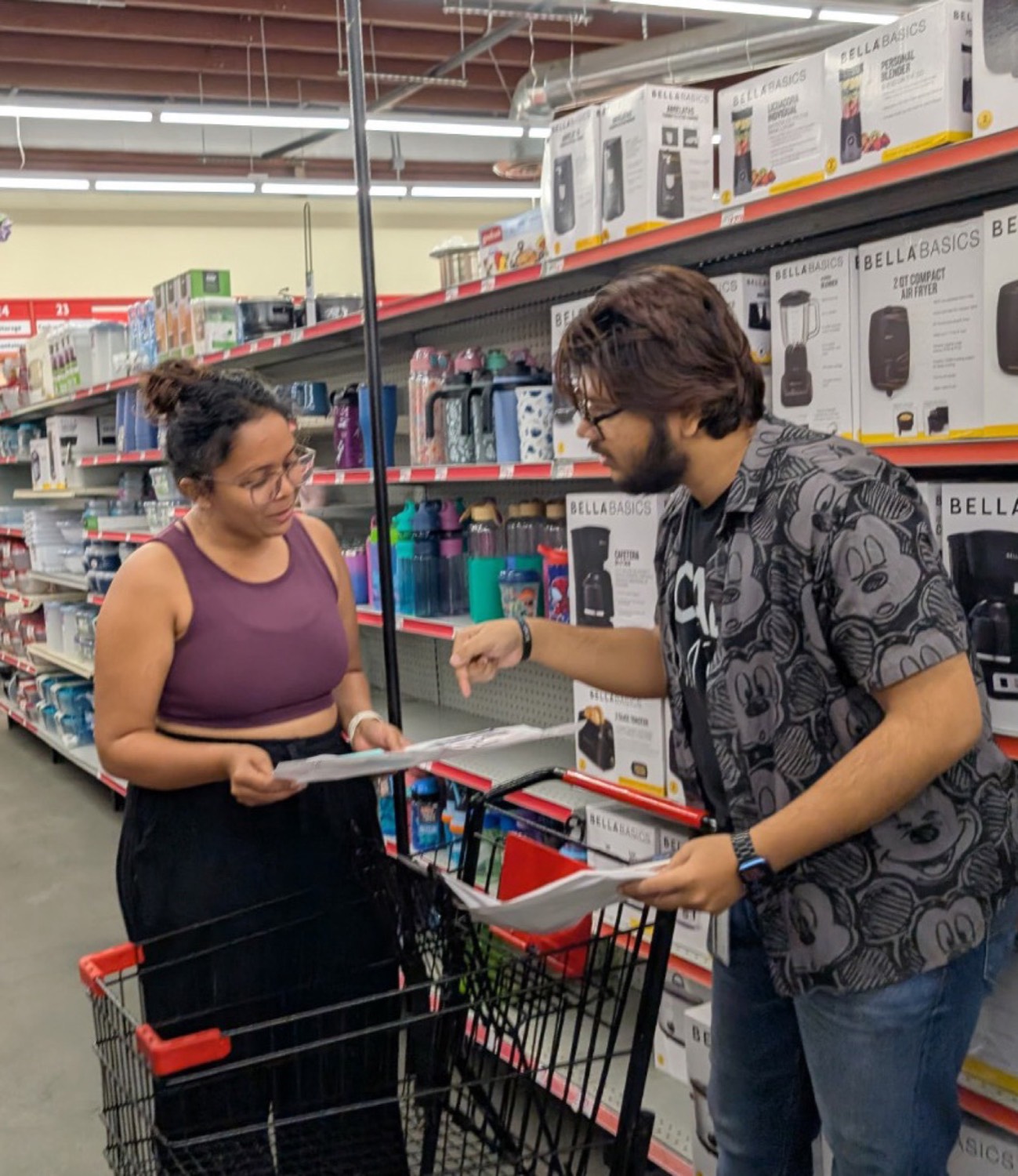
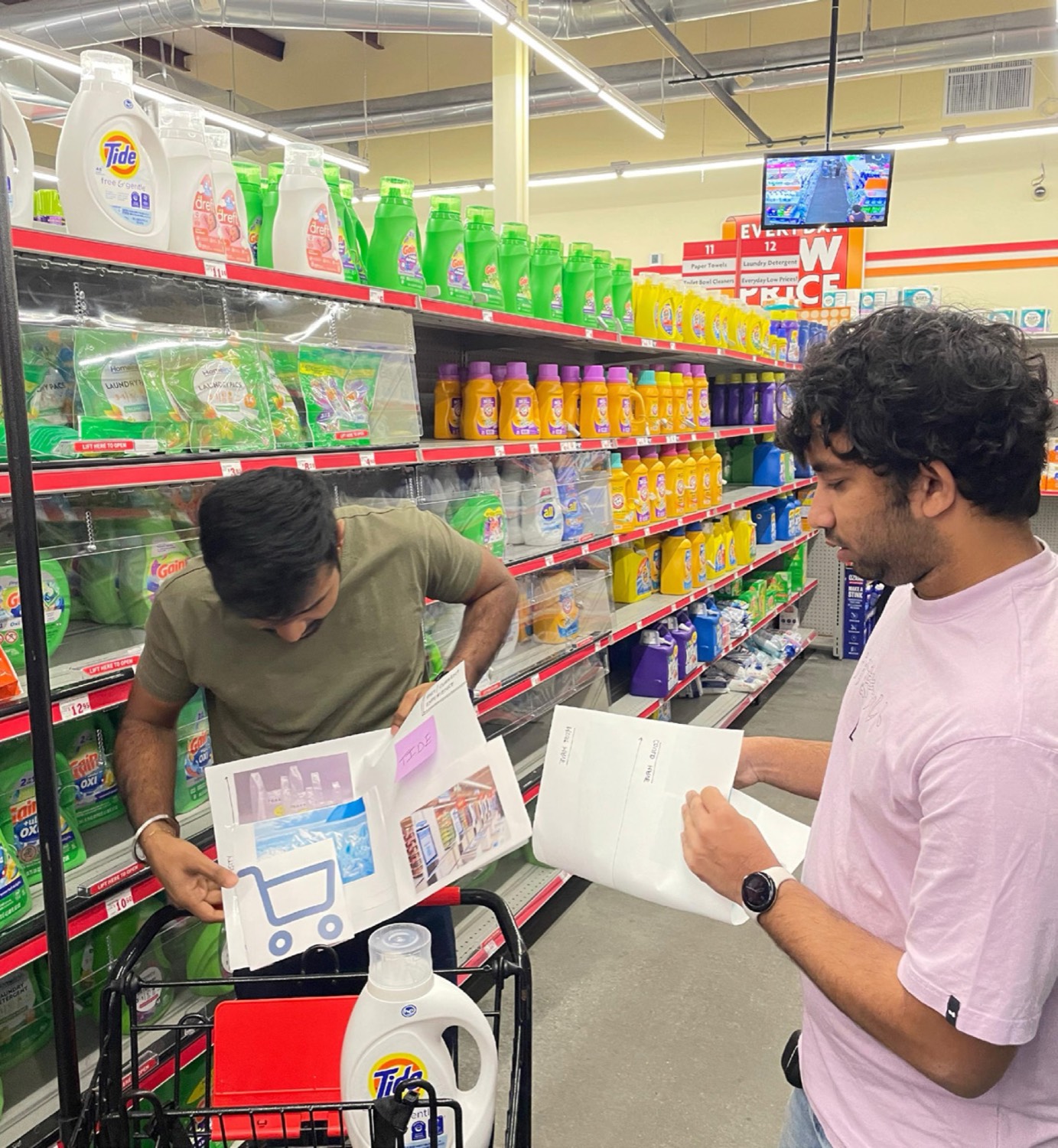
15+ hours across Walmart, Costco, Target, and Sam's Club.
- 03
Shopper surveys
75+ responses explored time, money, trust, and navigation.
- 04
Stakeholder mapping
The 4C framework connected customers, competitors, collaborators, and communities.
- 05
Stimulus kit
Participants composed the retail experience they wanted and rejected.
- 06
Sensory cues
Physical objects and image prompts surfaced felt expectations.
- 07
Interviews
18 conversations examined store choice and time-money tradeoffs.
- 08
Affinitization
1,700+ physical observations were organized by hand.
- 09
Experience framework
Eleven insights resolved into four desired feelings.
- 10
Design opportunity
The framework informed a connected smart-cart journey.
Behavioural research first
15+ hours
watching shopping
as it happened.
Across Walmart, Costco, Target, and Sam's Club, the team studied visible behaviour in context before asking people to explain it.
From observed to expressed
Behaviour showed what happened.
Workshops revealed what good could feel like.
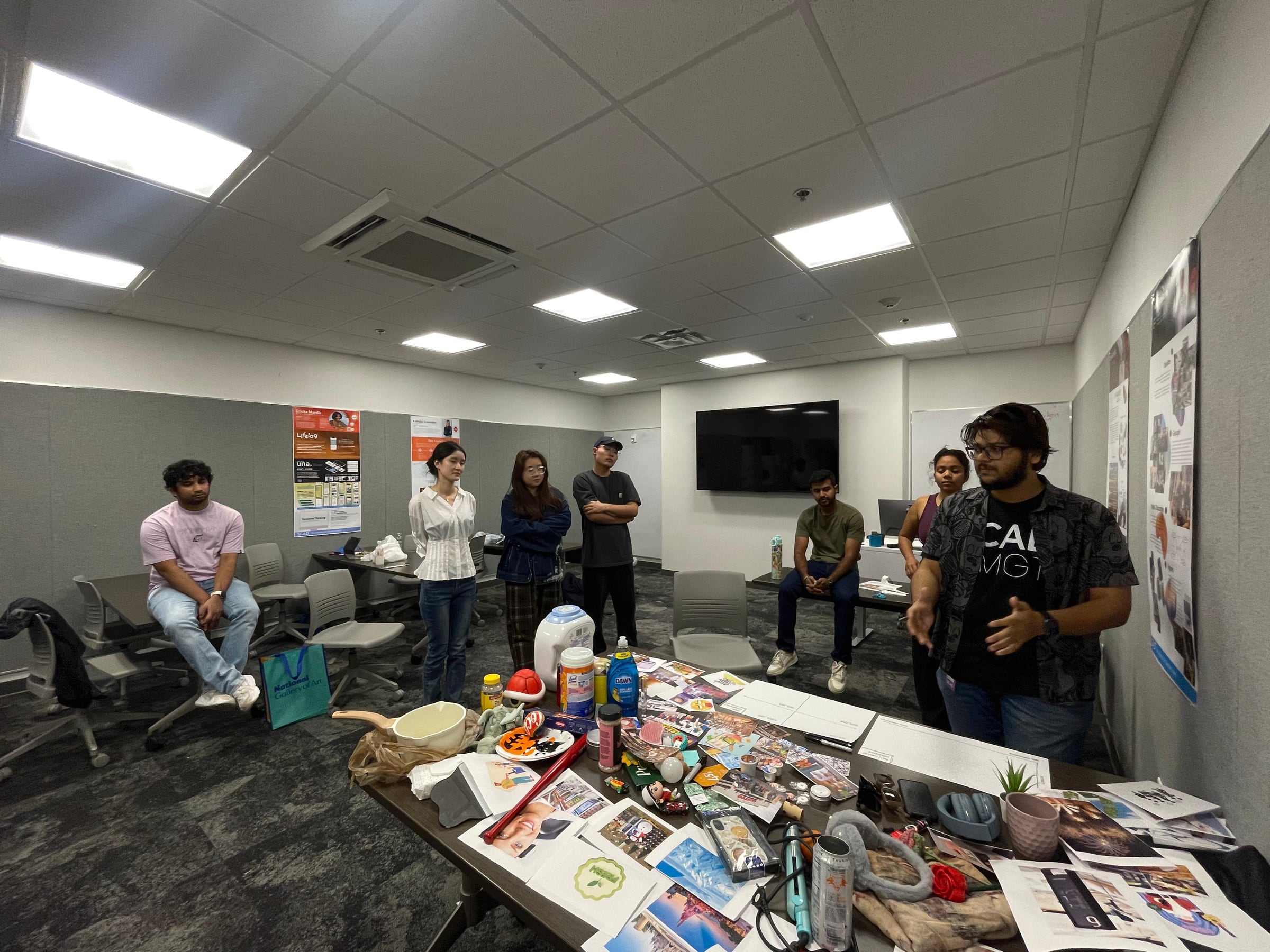
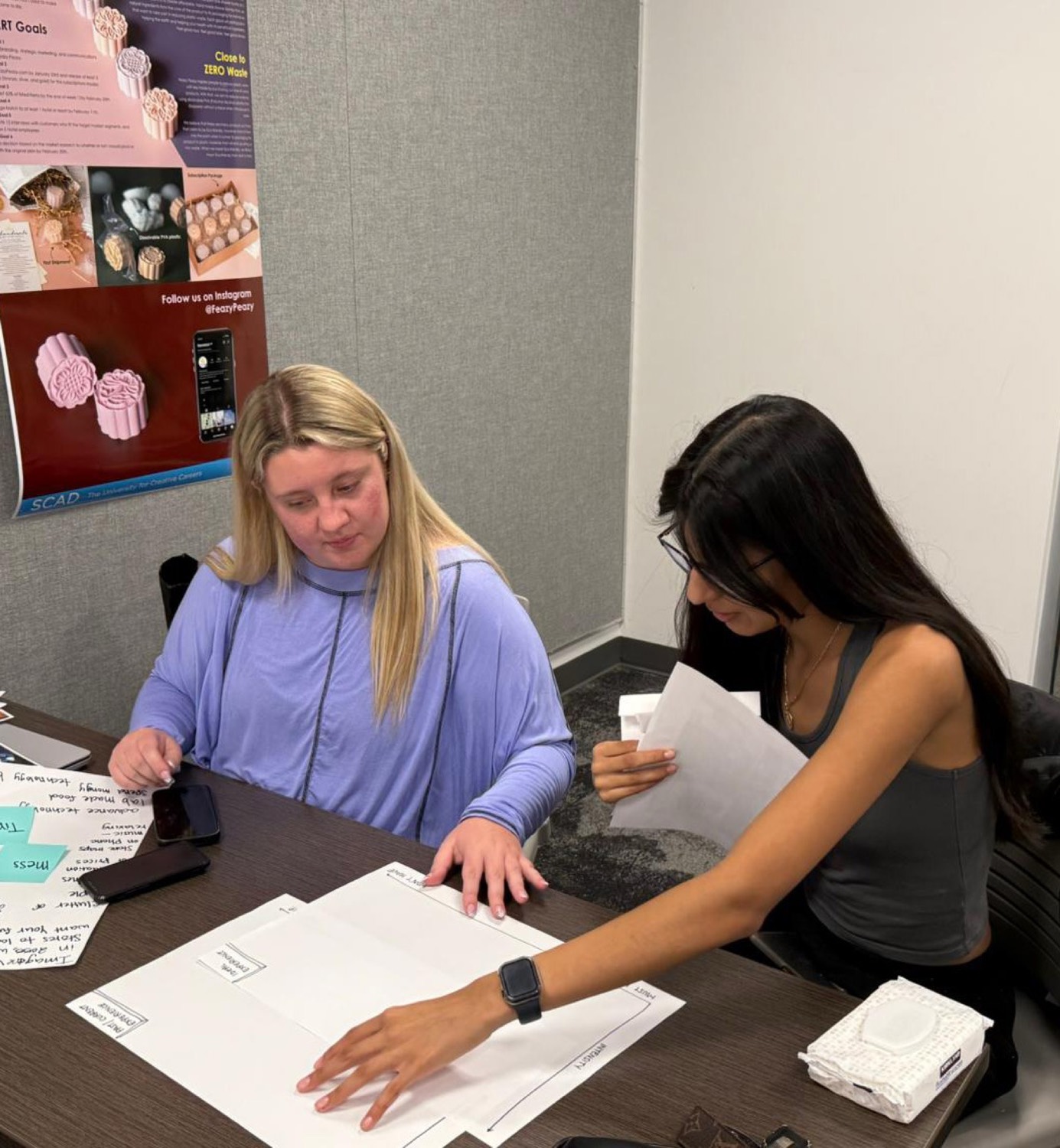
Surveys and interviews captured reported experience. Stimulus kits and sensory cues let participants point to qualities that were difficult to express in ordinary conversation.
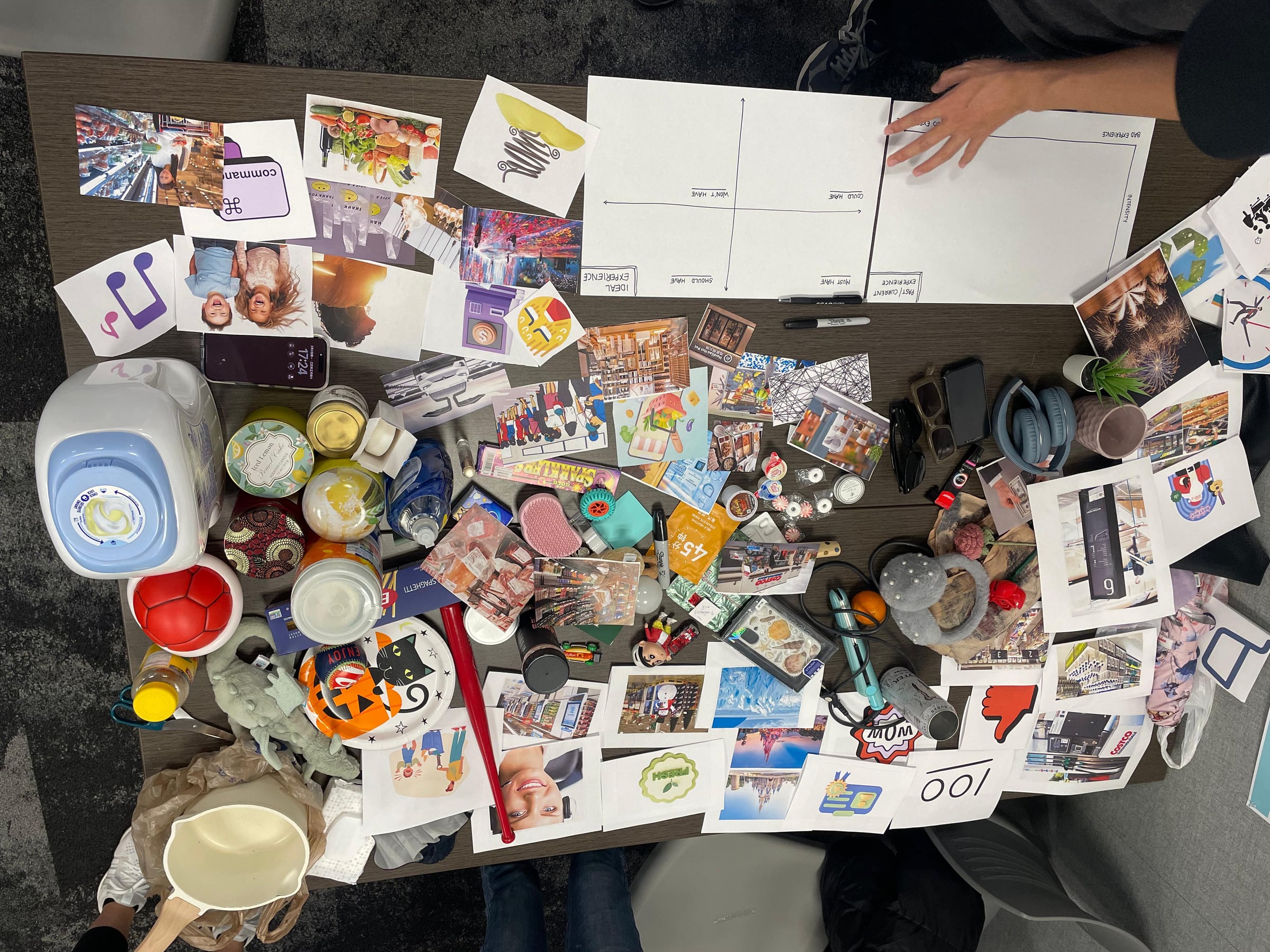
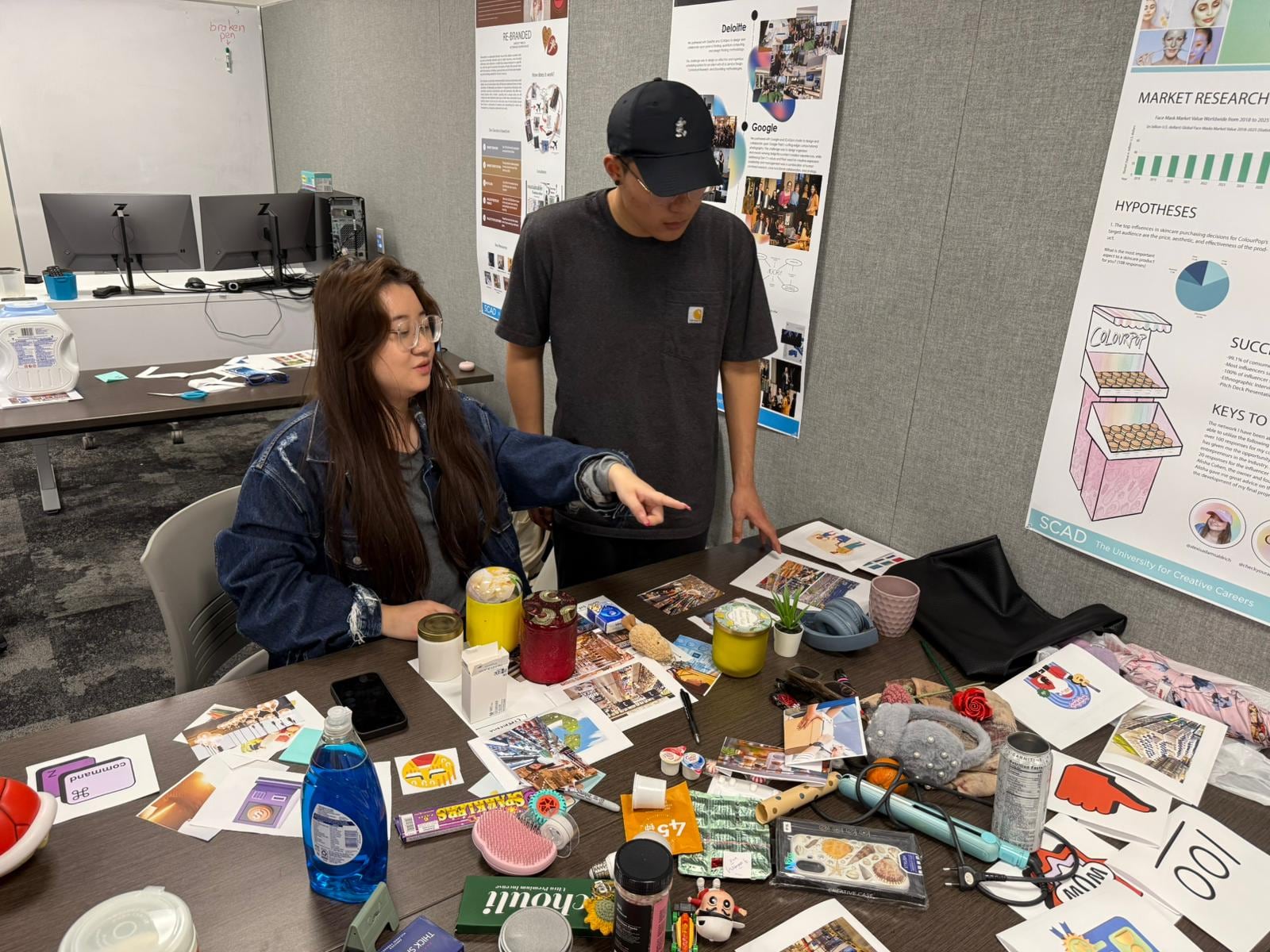
Sensory cue workshopObjects. Images. Memory. Feeling.
Participants selected, arranged, and discussed physical and visual cues across the five senses.
What people did
Behavioural observation in real retail contexts.
What people said
75+ surveys and 18 shopper interviews.
What people imagined
Stimulus-kit and sensory-cue workshops.
Back in the studio
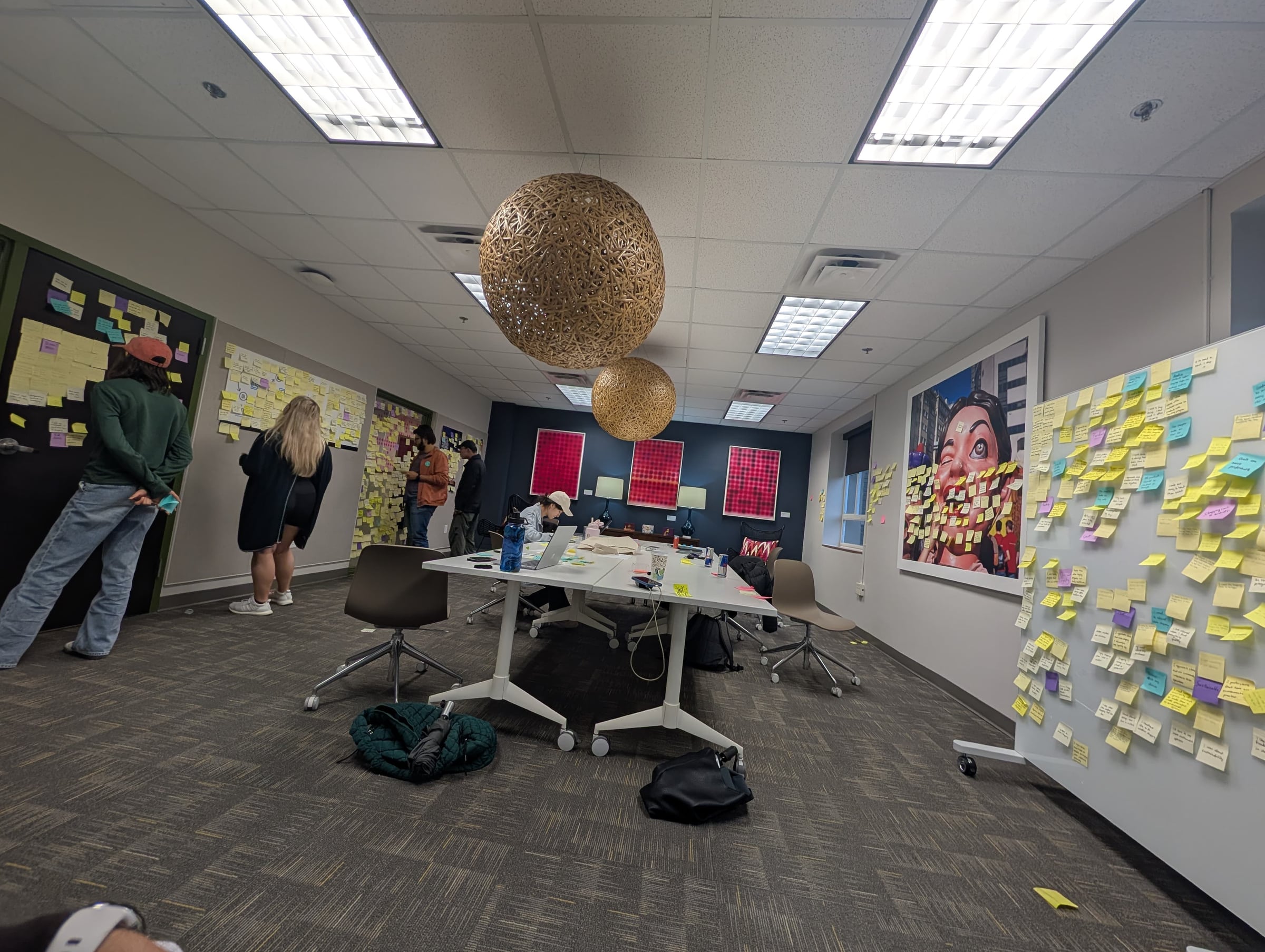
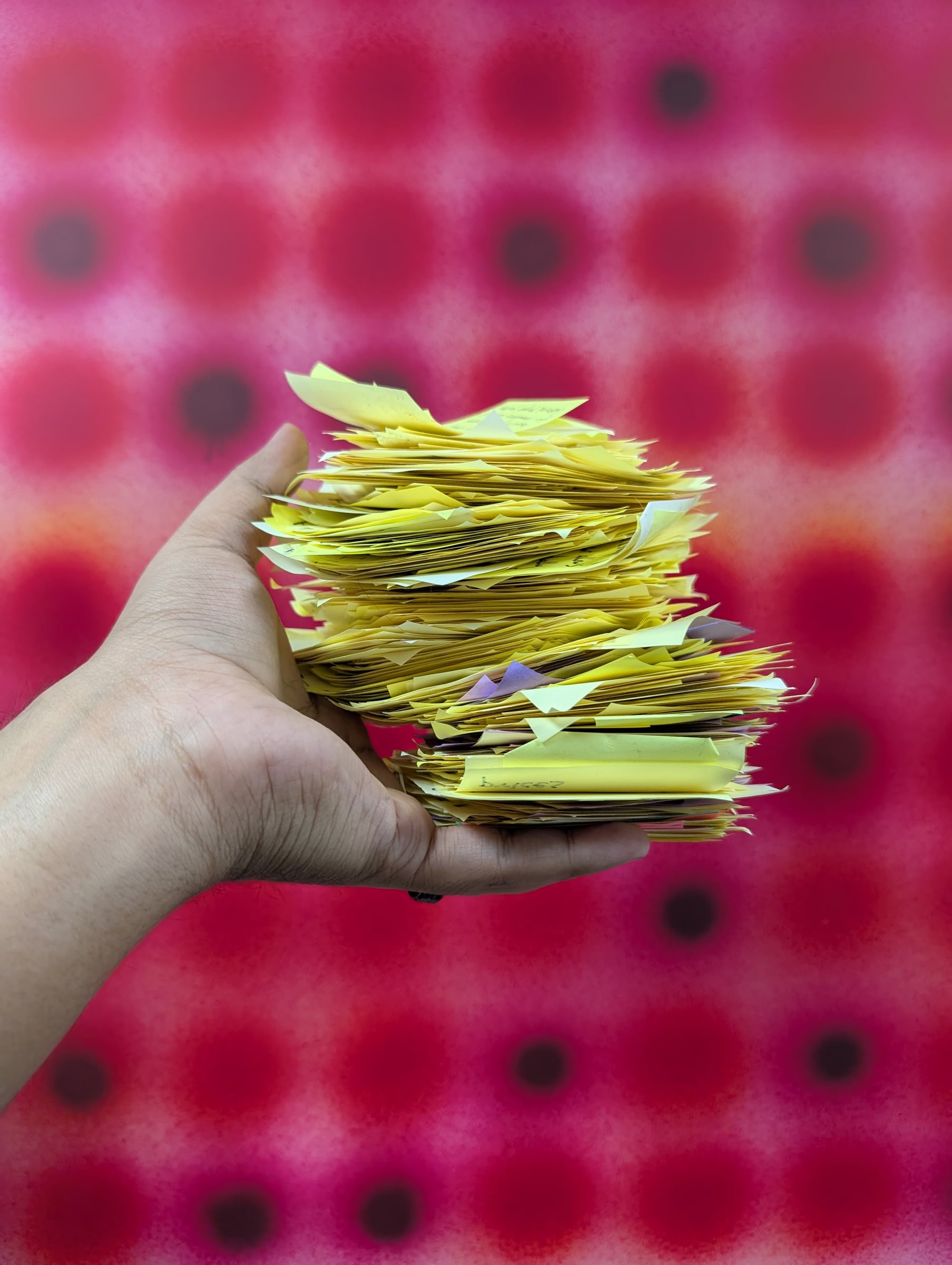
Then 1,700+ observations
covered the room.
The team handled the evidence physically, moving notes, challenging groupings, and preserving the path back to the original observation.
Insight translation
Every reduction
had to earn its place.
Scroll through the physical reduction: observations to clusters, themes, and finally insights.
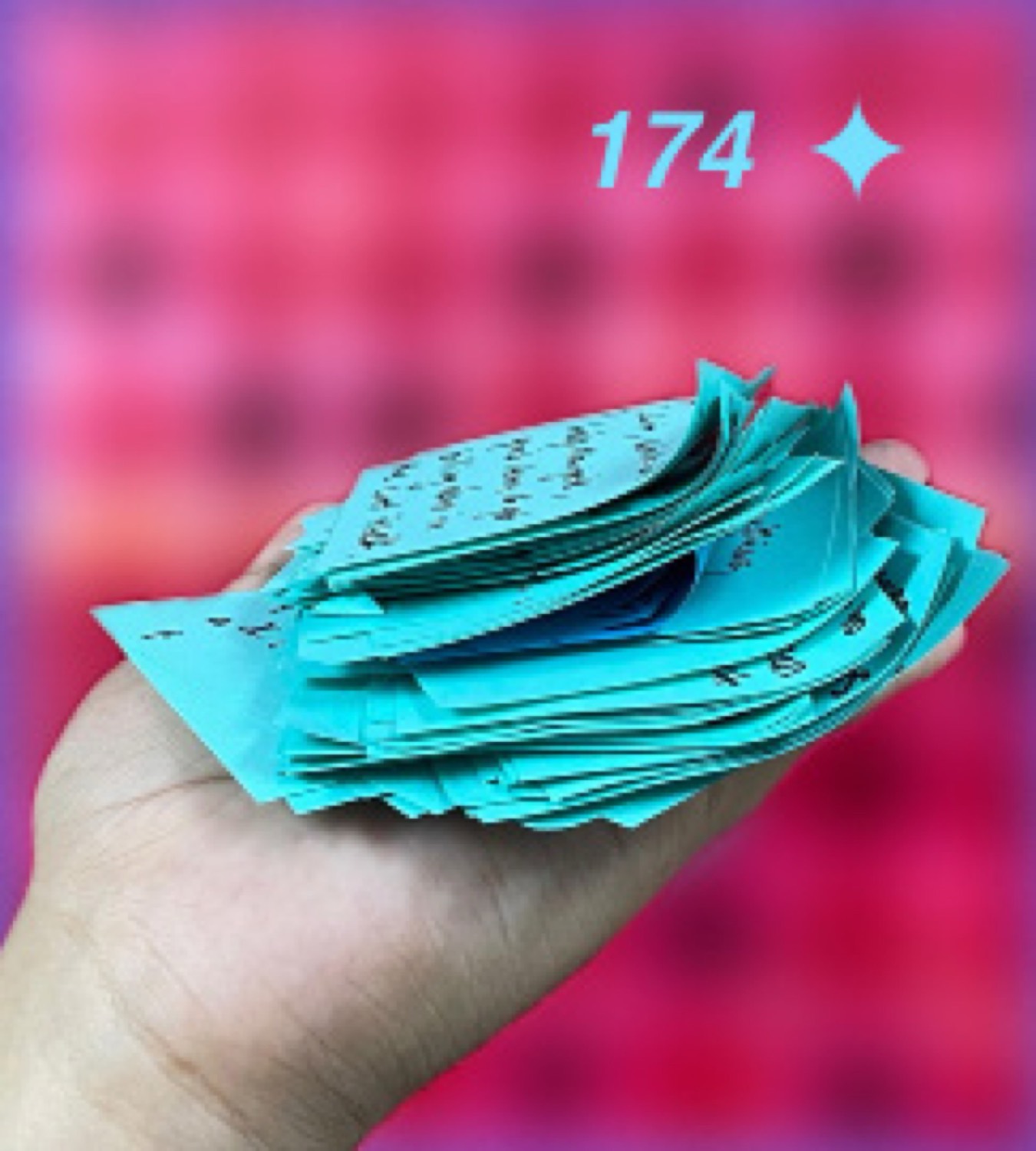
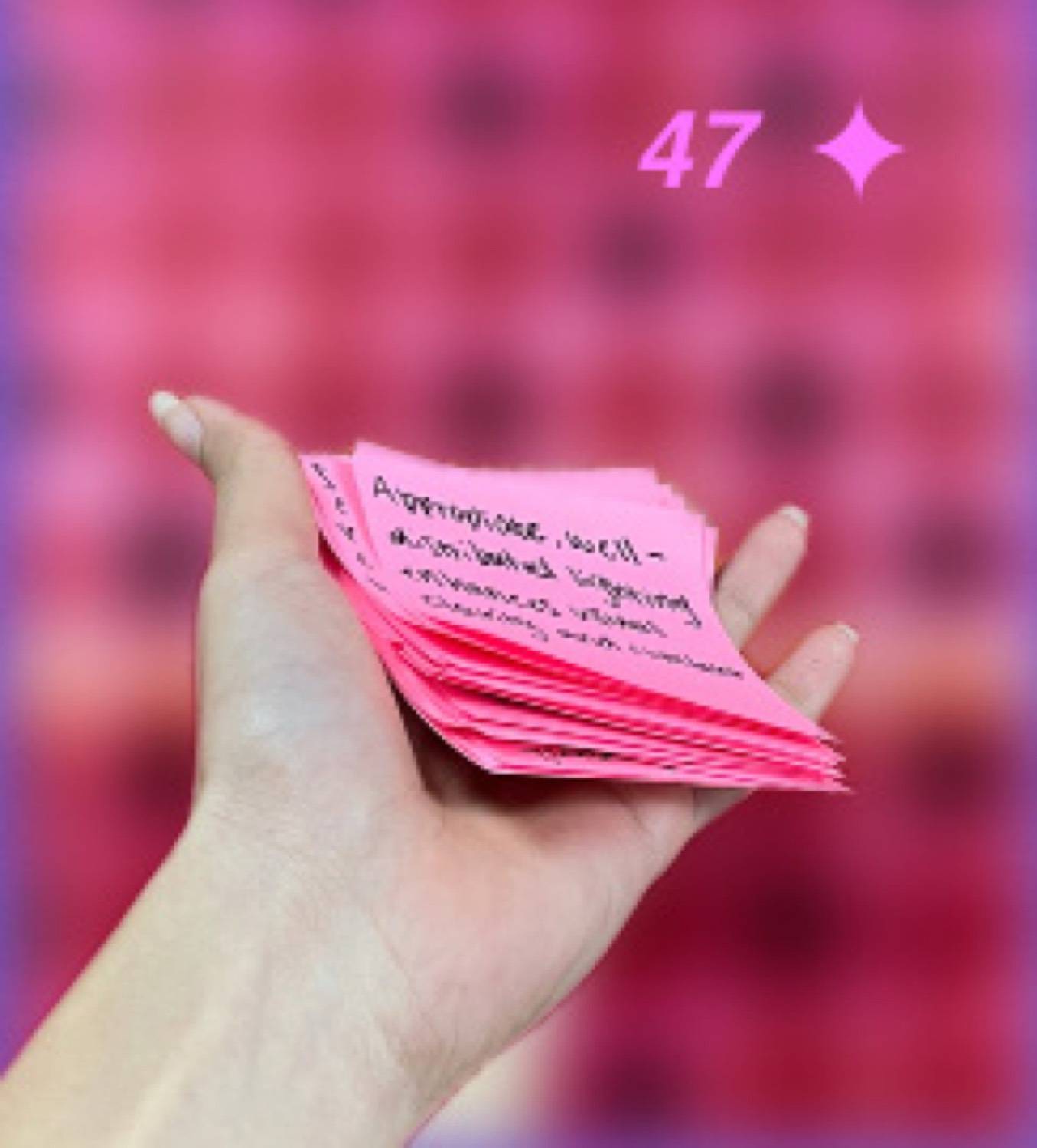
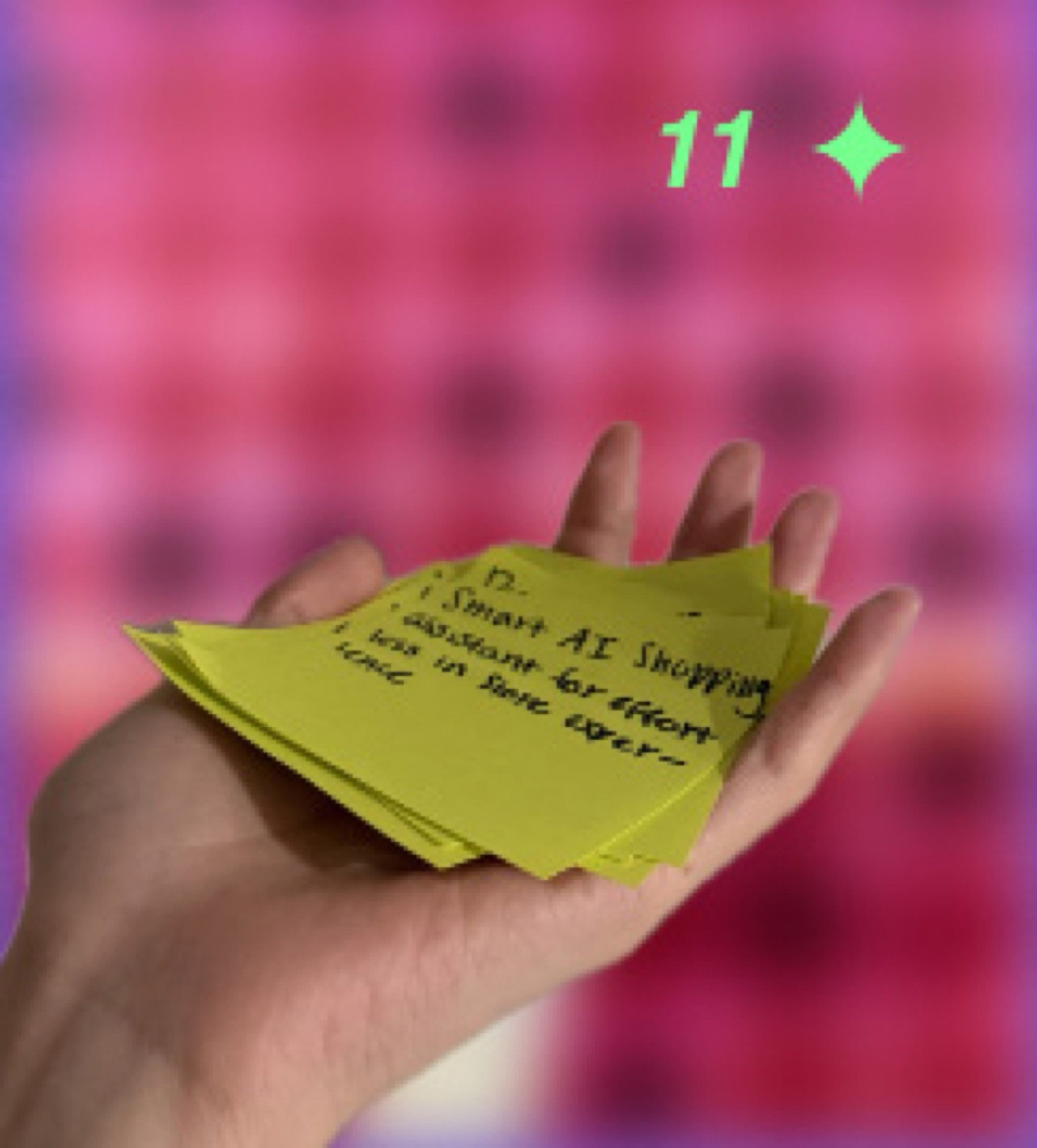
- 1,700+observations
- 174clusters
- 47themes
- 11insights
1,700+ observations / 11 insights
The insight is not the volume.
It is what survived it.
Smart AI shopping assistant for an effortless in-store experience
Shopping can be calming and therapeutic
Sustainability encourages thoughtful decisions
Demos and digital interactions ignite curiosity
Transportation shapes the complete store experience
Every second counts while shopping
Kids shape the in-store atmosphere
One unified experience across every channel
Uniform pricing, regardless of where or when
Finding everything feels satisfying
Passive activity creates unnoticed time loss
11 discoveries / one desired experience
11 insights / 4 experience pillars
Four feelings.
One human outcome.
I feelaccomplished

I amSatisfiedEffortless / Affordable / Worthwhile

I amStress-freeConvenient / Consistent / Seamless

I amValuedTransparent / Sustainable / Rewarding

I amEngagedIntuitive / Interactive / Therapeutic
The design solution
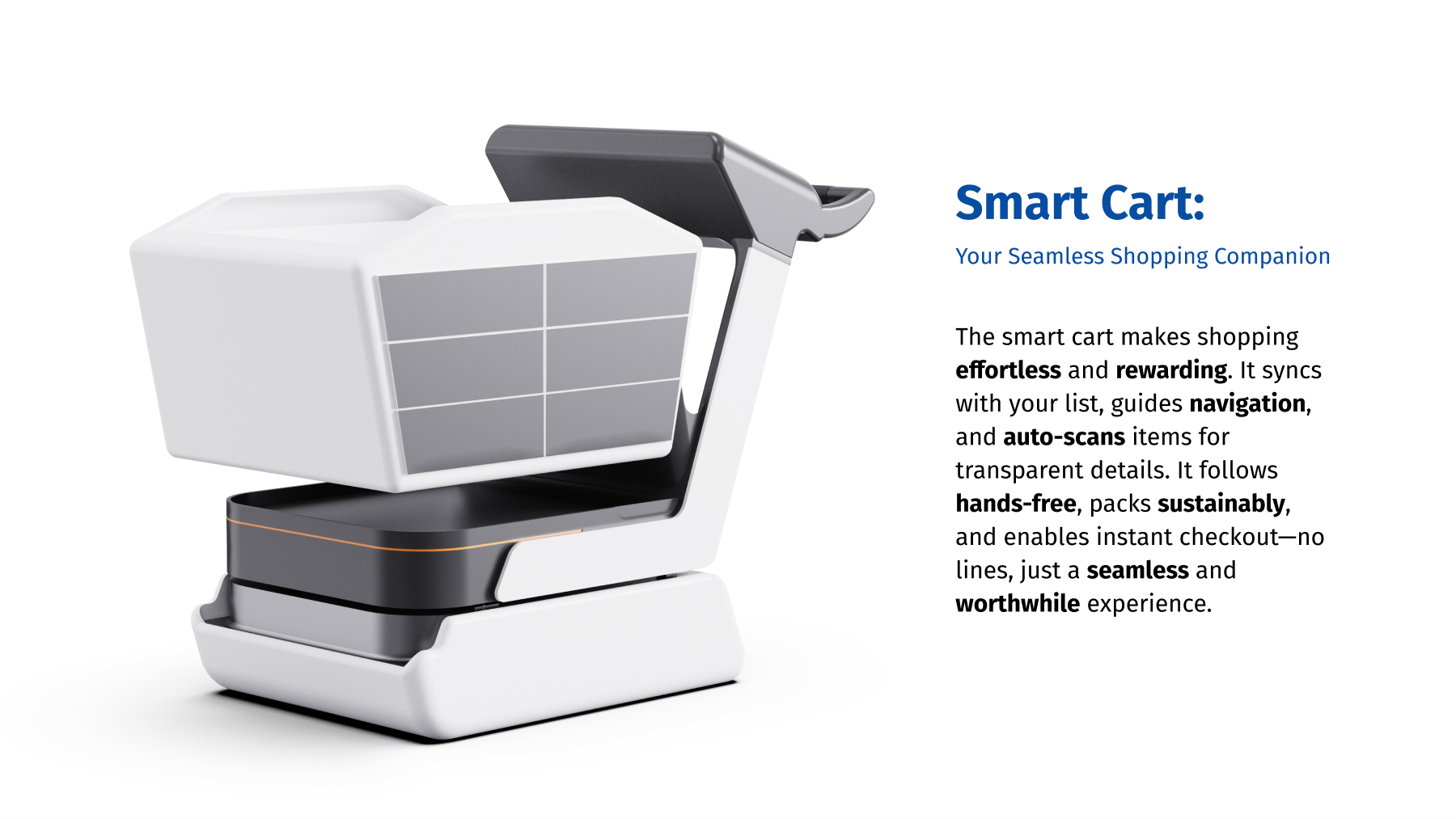
A smart cart that carries
the whole shopping trip.
The desired-experience framework became a connected in-store companion. It reduces navigation effort, keeps decisions informed, and preserves one continuous journey from list to checkout.
ConnectedSmart cartPlan / Navigate / Decide / Complete
Plan the trip
Synchronize the shopping list and turn it into an organized route.
Navigate the store
Guide people to products while keeping trip progress visible.
Decide with context
Bring price, nutrition, alternatives, sustainability, and offers into reach.
Complete in one flow
Connect rewards, checkout, and the final cart-to-car handoff.
Research defined the feeling. The solution made that feeling actionable.
Actual design solution / Class concept
This is the product
we designed.
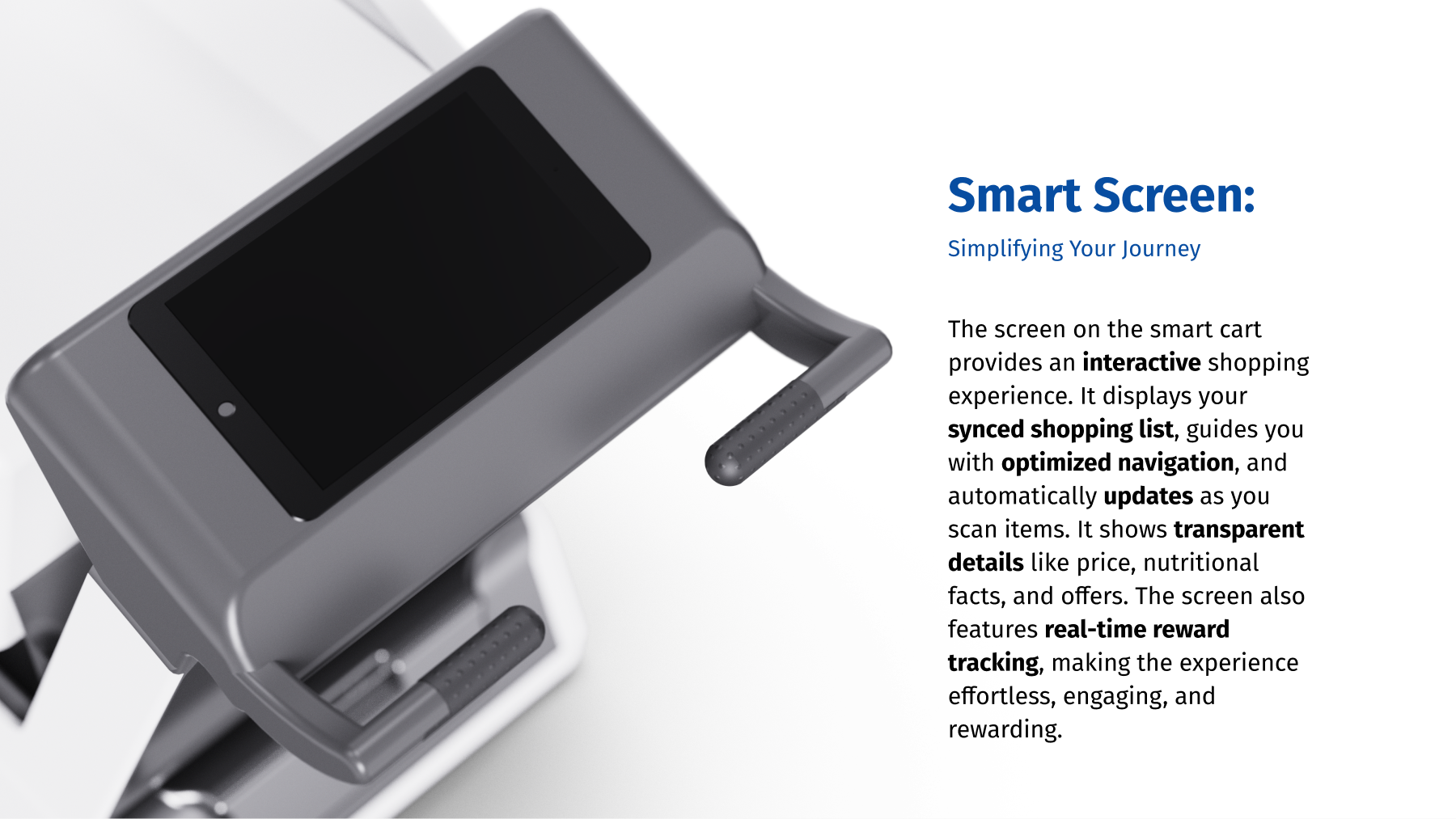
A connected smart cart combines physical support, an interactive display, automatic item scanning, navigation, product information, relevant offers, rewards, and checkout.
01 Sketch the form02 Build the 3D model03 See it in motion
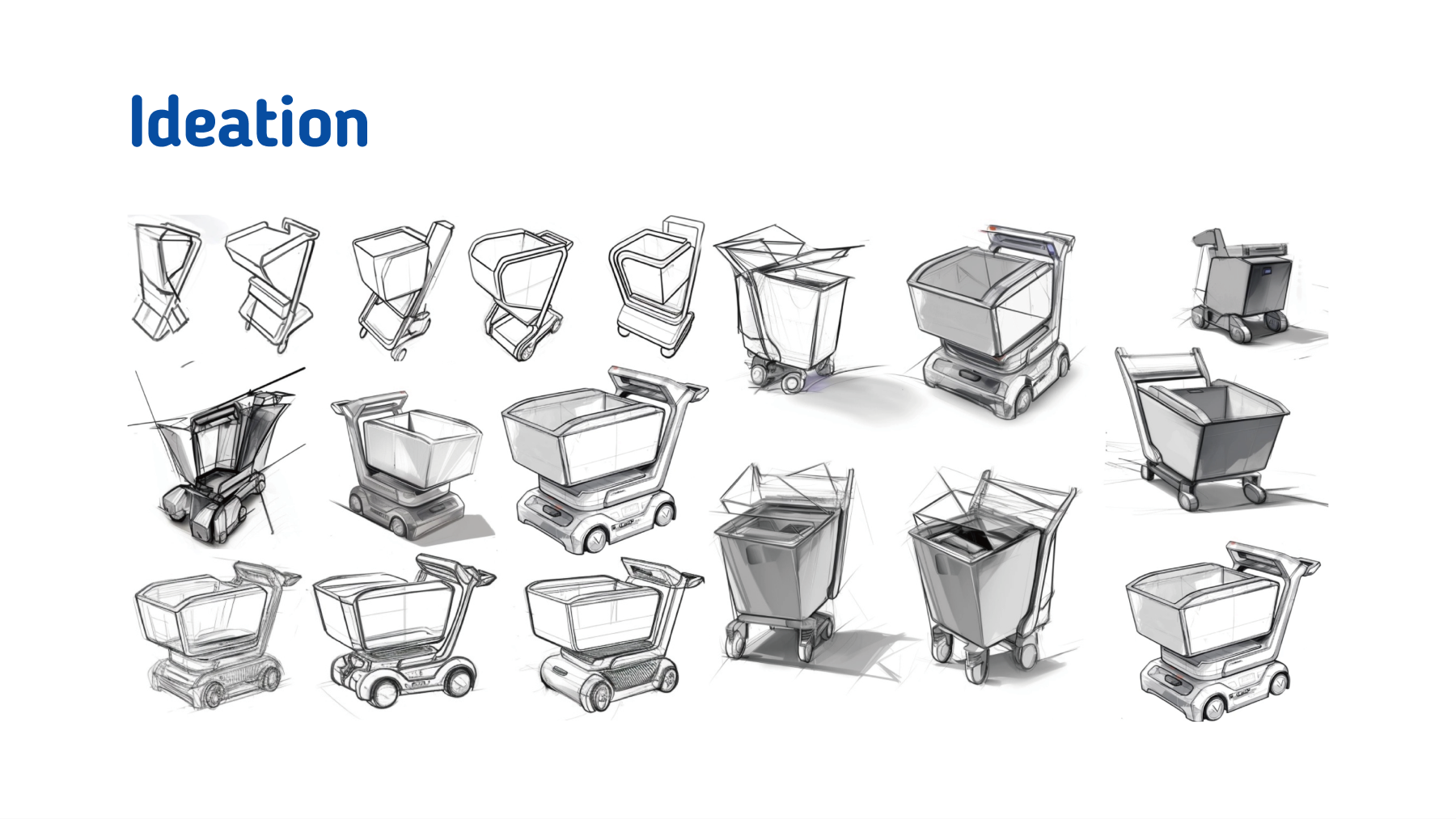
03 / Concept in motionFrom a model
From a model
to a working category.
The supplied demonstration shows a smart cart operating in a real retail environment. It is included as adjacent commercial evidence while the exact project-to-Cust2Mate implementation relationship remains under verification.
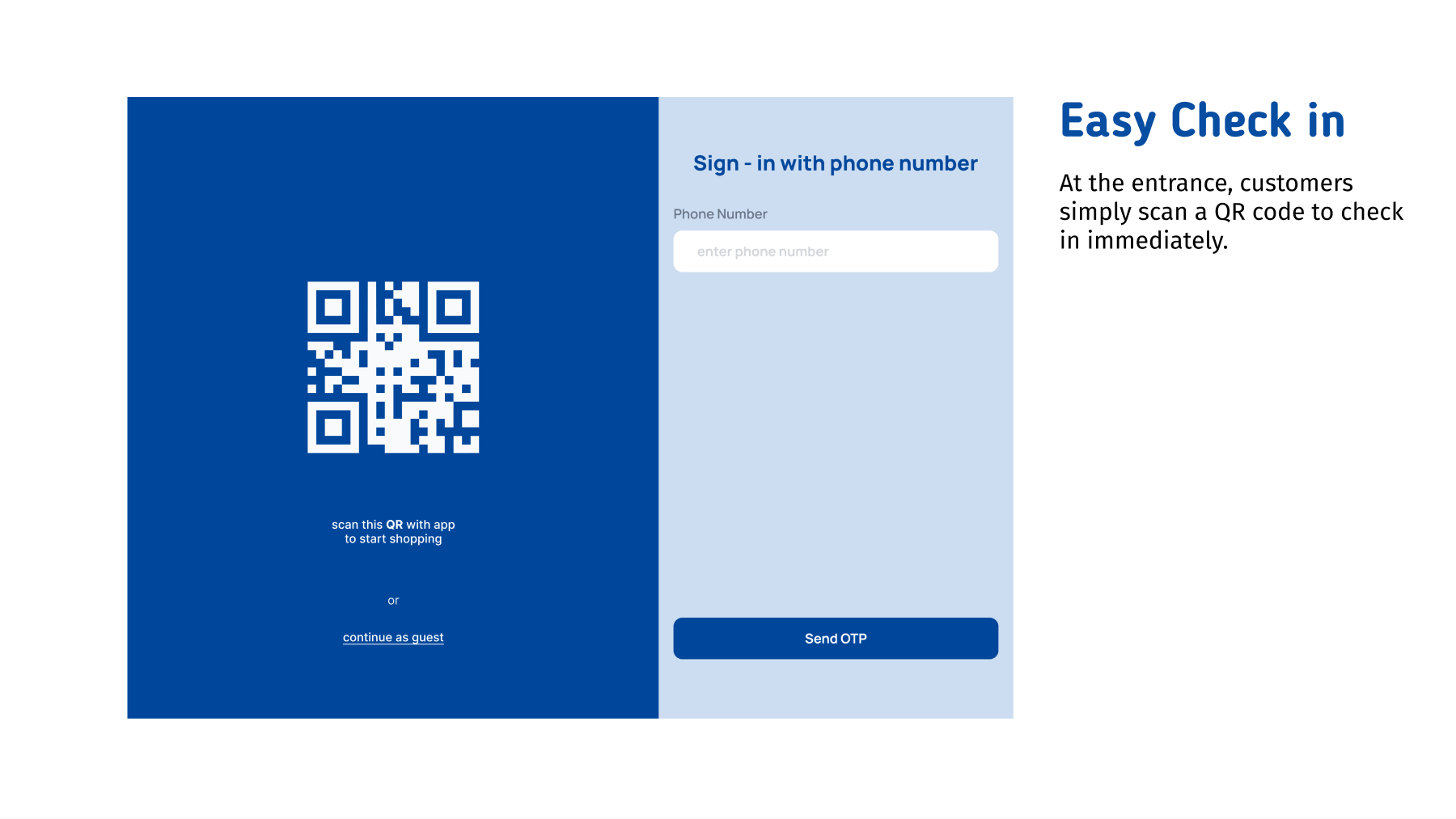
Check in
Scan once at the entrance and connect the trip to the cart.
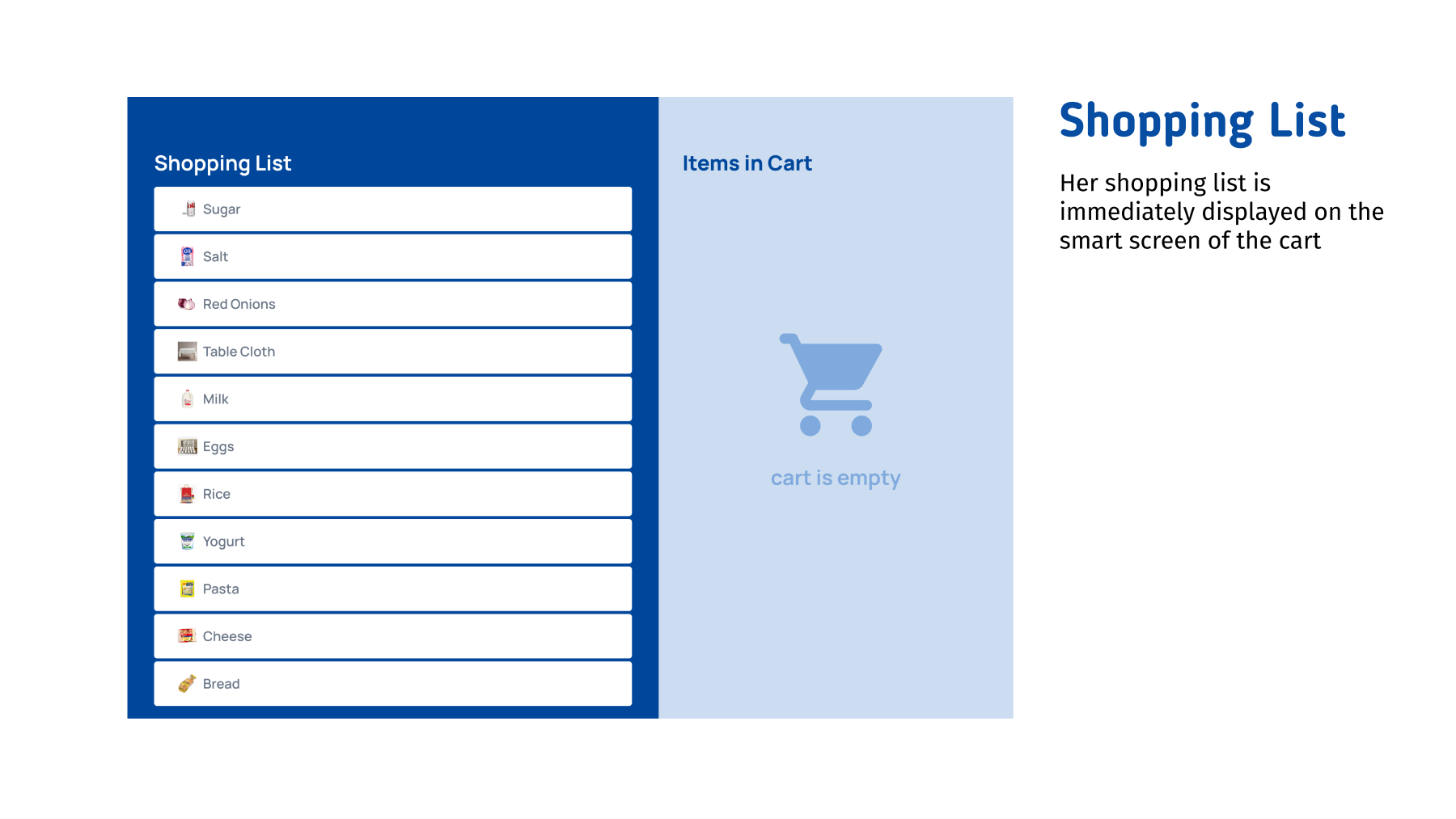
Sync the list
Bring the prepared shopping list onto the cart display.
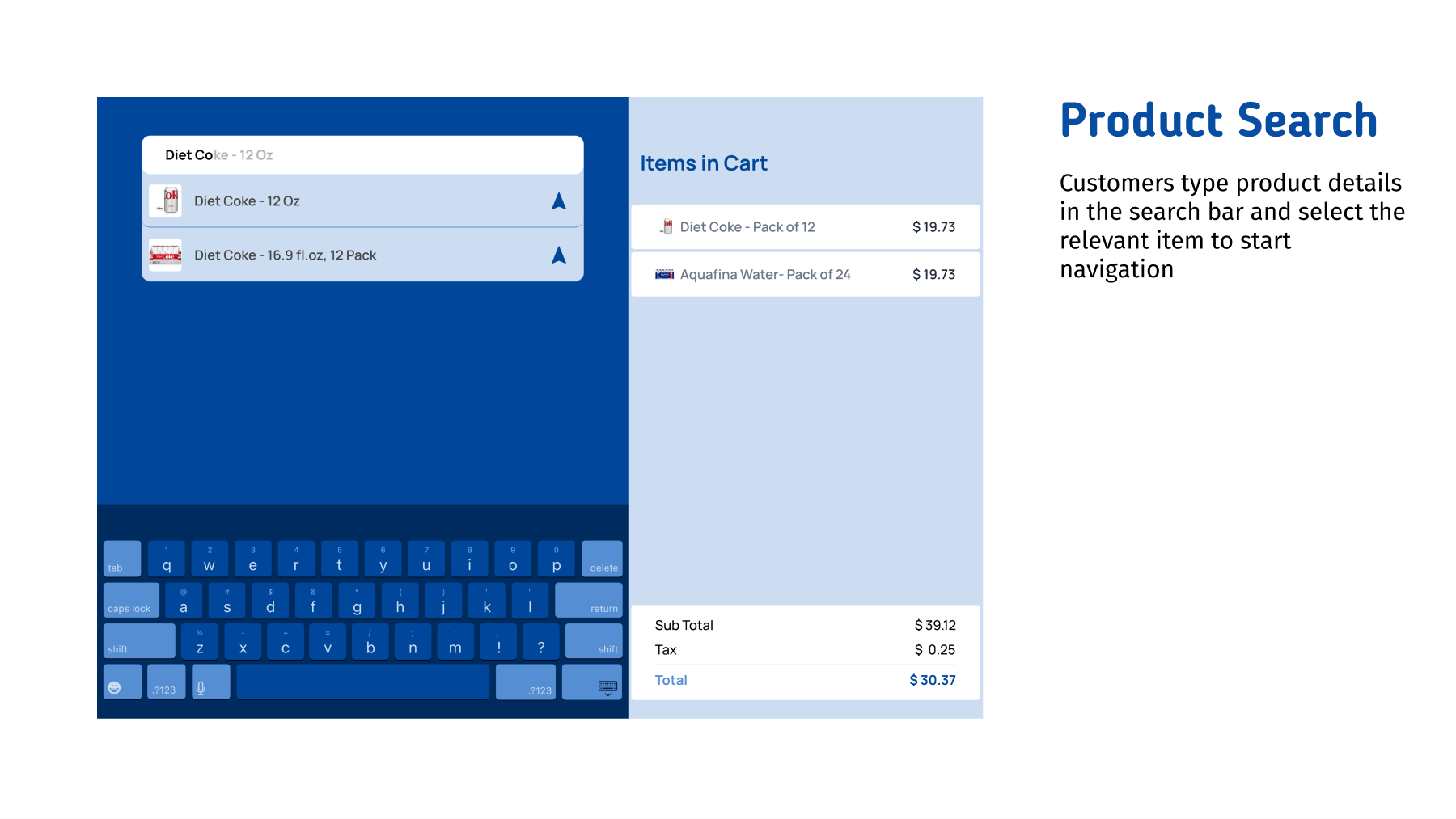
Search
Find a product without leaving the cart experience.
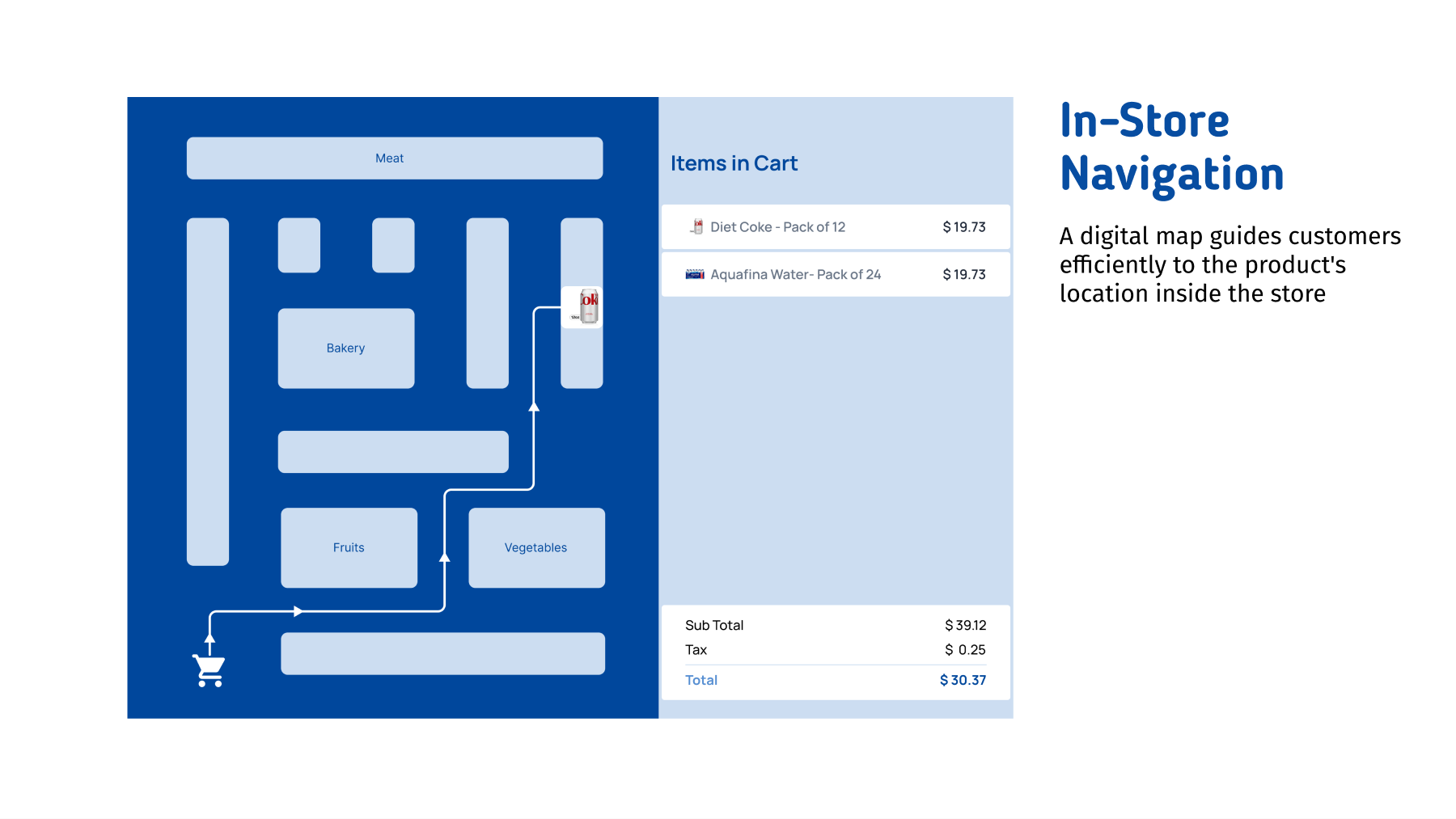
Navigate
Turn the selected item into an efficient in-store route.
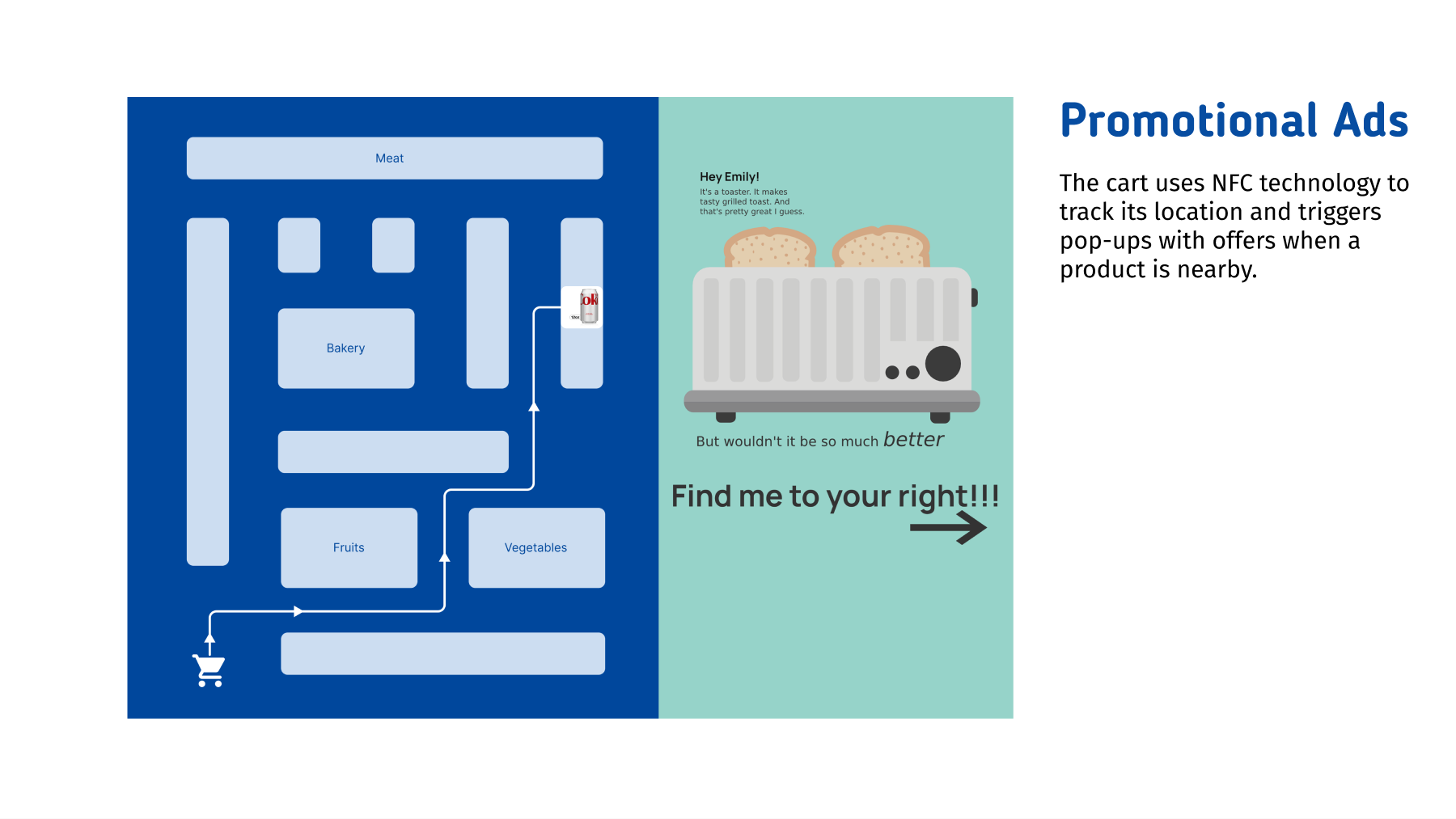
Discover offers
Use location-aware prompts when a relevant product is nearby.
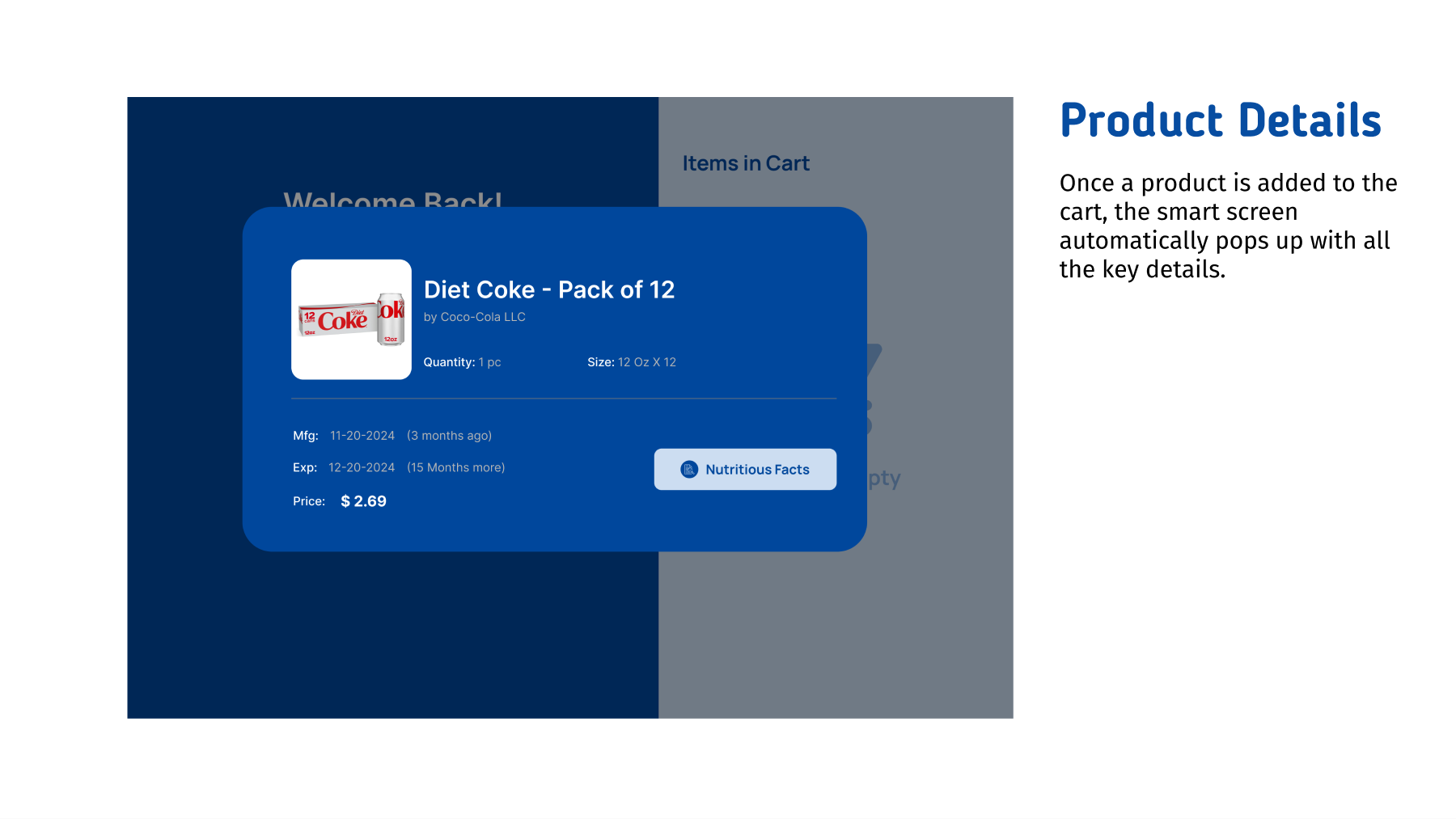
Understand
Show price, quantity, freshness, and nutrition at the moment of choice.
Concept direction from the class project. It is not presented as shipped Cust2Mate functionality.
The future-state trip
One experience,
from preparation to departure.
01
Connect
Check in and synchronize the prepared list with the cart.
02
Plan
Keep the shopping list visible and continuously updated.
03
Find
Search for a product and calculate an efficient route.
04
Understand
Surface product, price, freshness, and nutrition information.
05
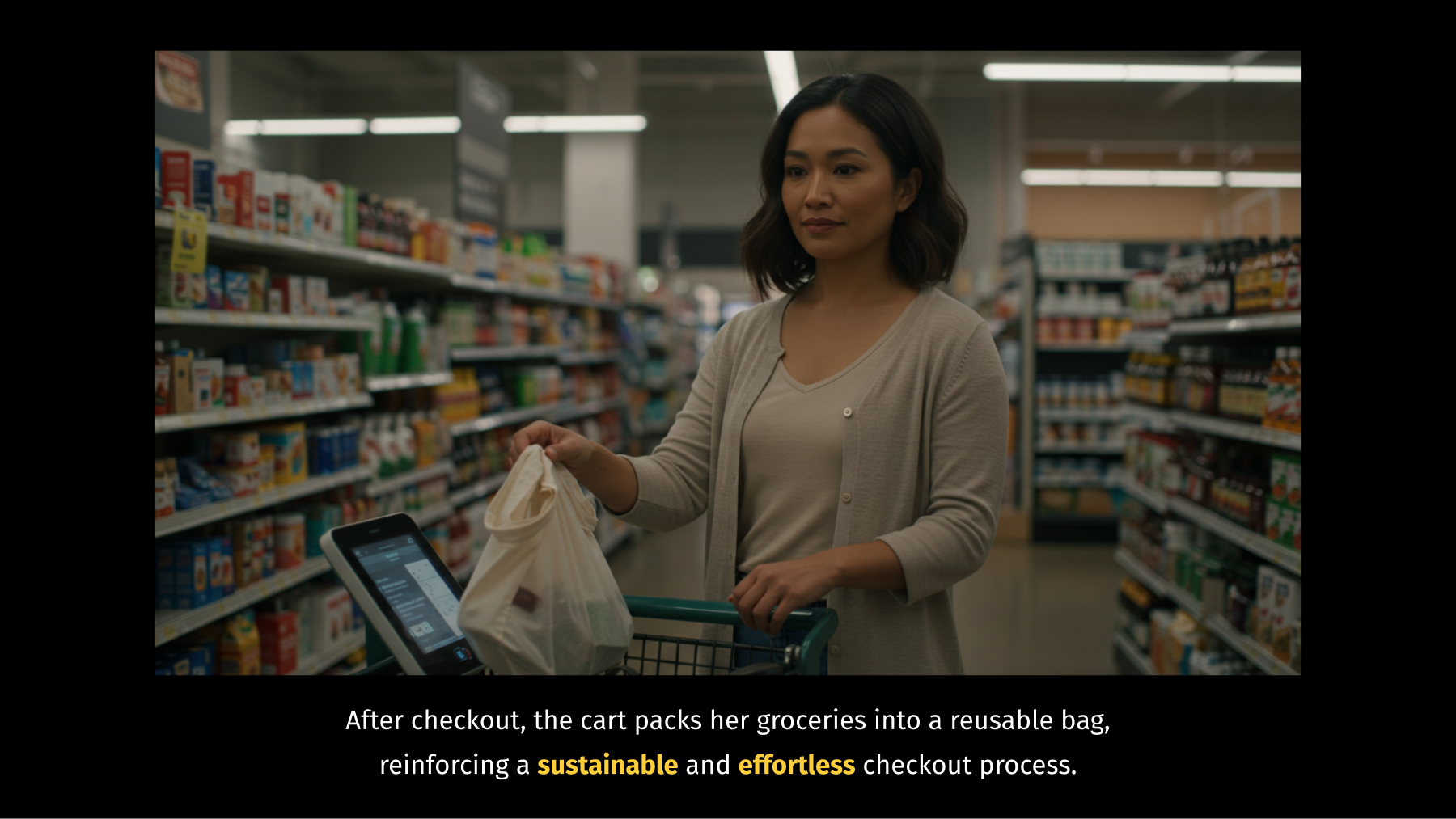
Complete
Pack the trip into reusable bags through one continuous flow.
06
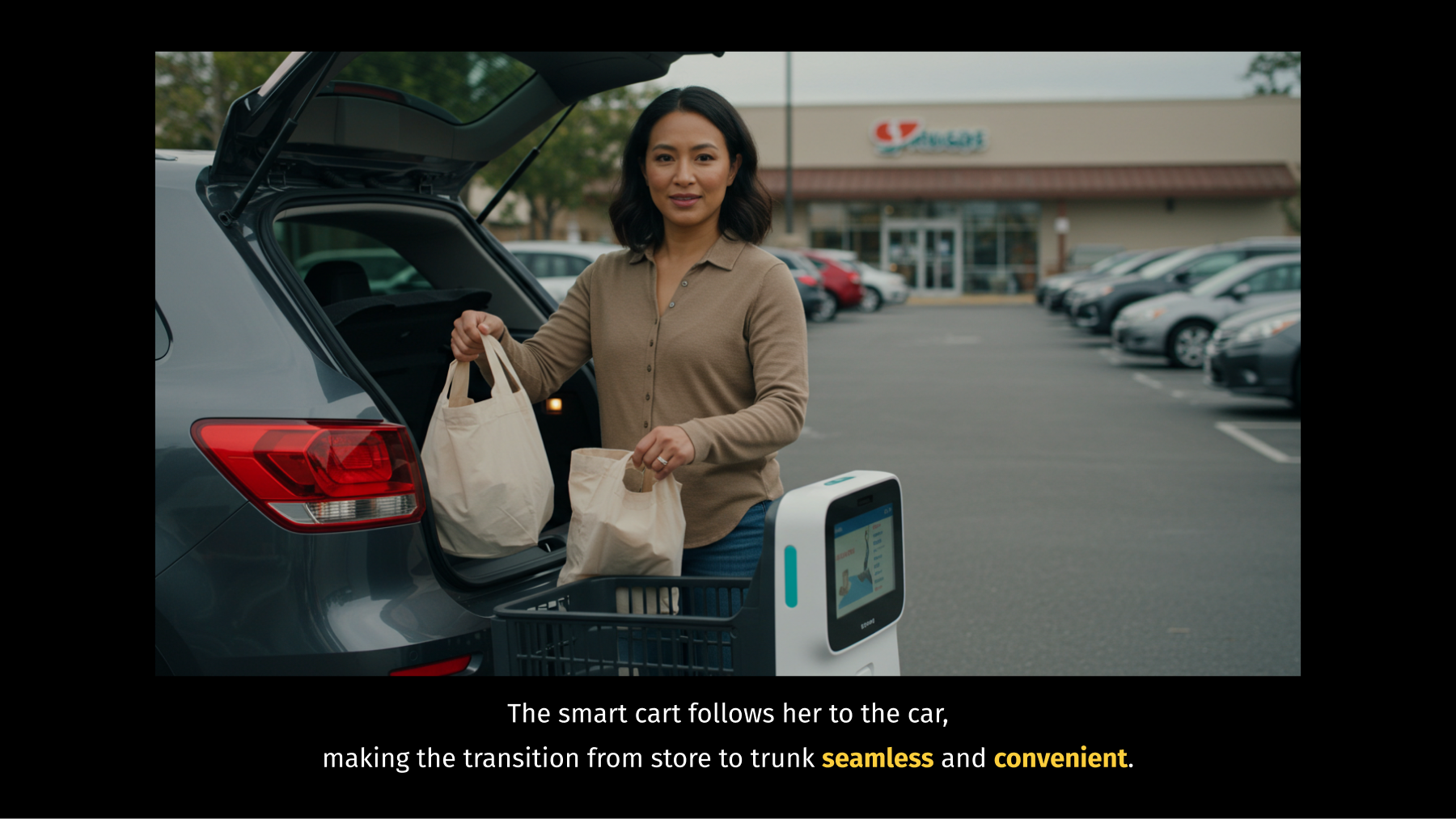
Leave
Let the cart support the final transition from store to trunk.
The people behind the wall
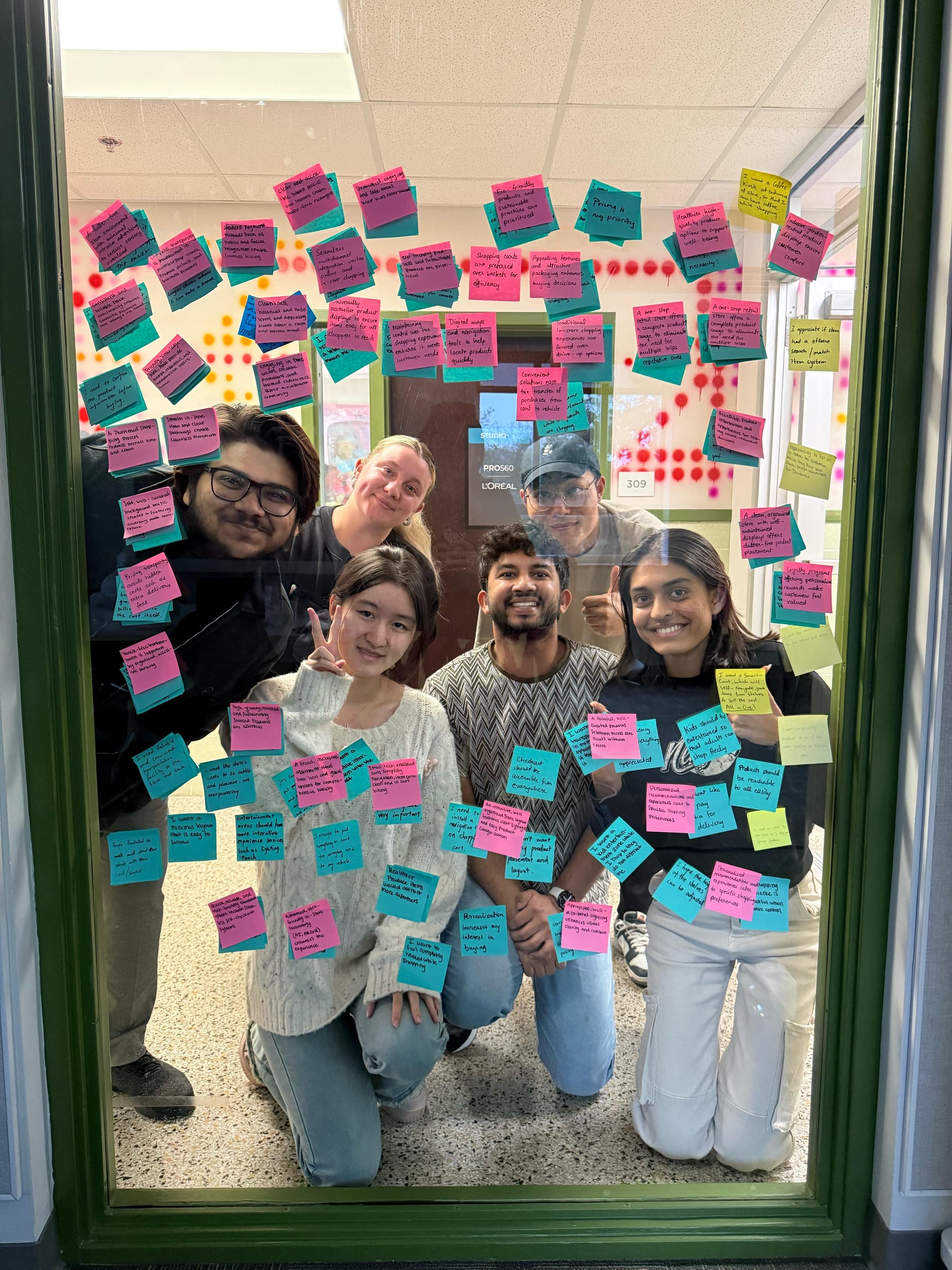
Six disciplines.
One shared reading of the evidence.
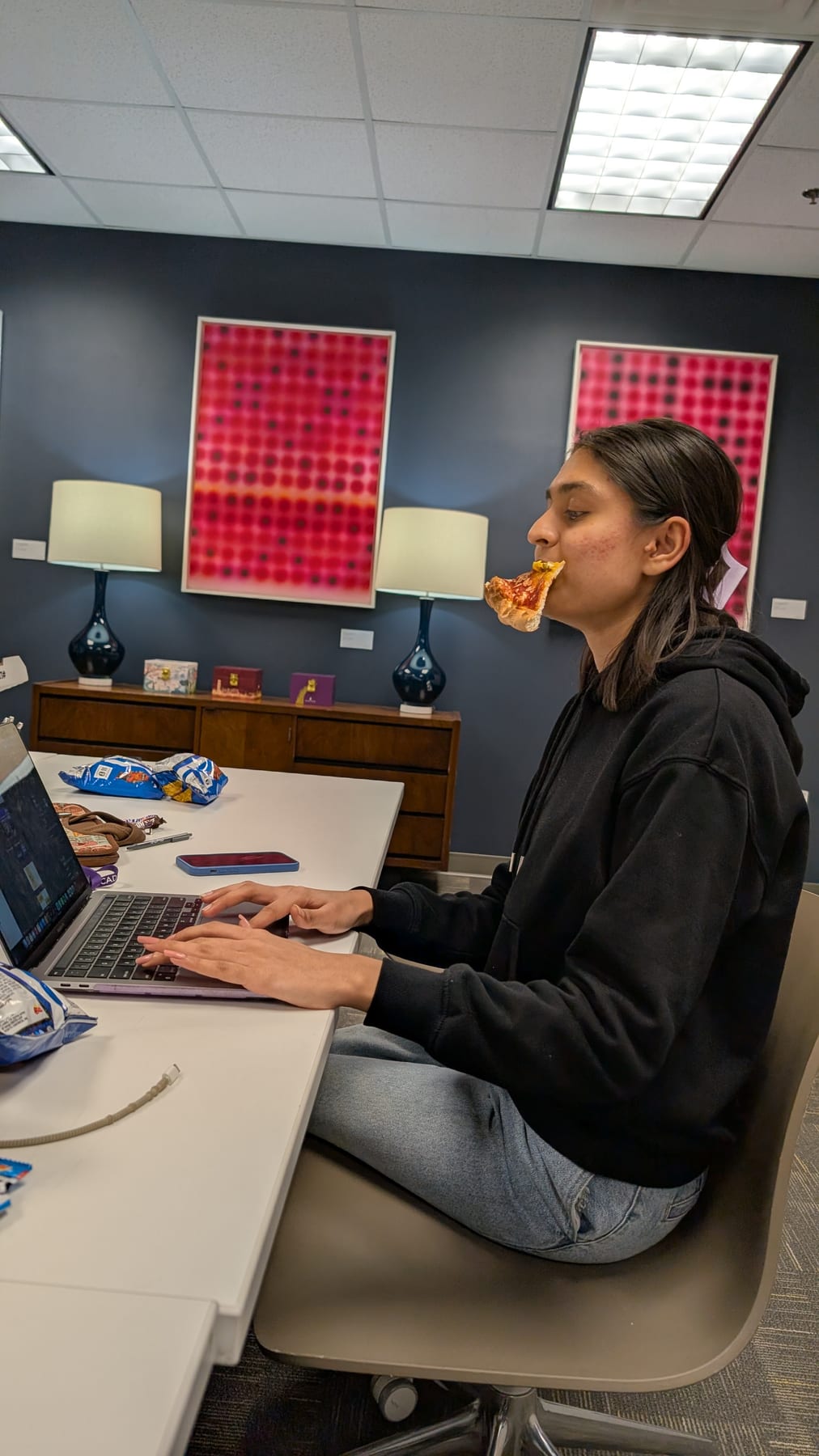
The team debated the notes together, built the framework together, and kept enough humor in the room to stay human through the volume.
Evidence boundary
Research project.
Concept direction.
Commercial adjacency.
This case study presents the reviewed class research, synthesis, desired-experience framework, and smart-cart concept. The separate Cust2Mate demonstration proves that the product category exists. Sravan's exact role, specific implementation work, and the relationship between both efforts must be documented before the stories are joined.
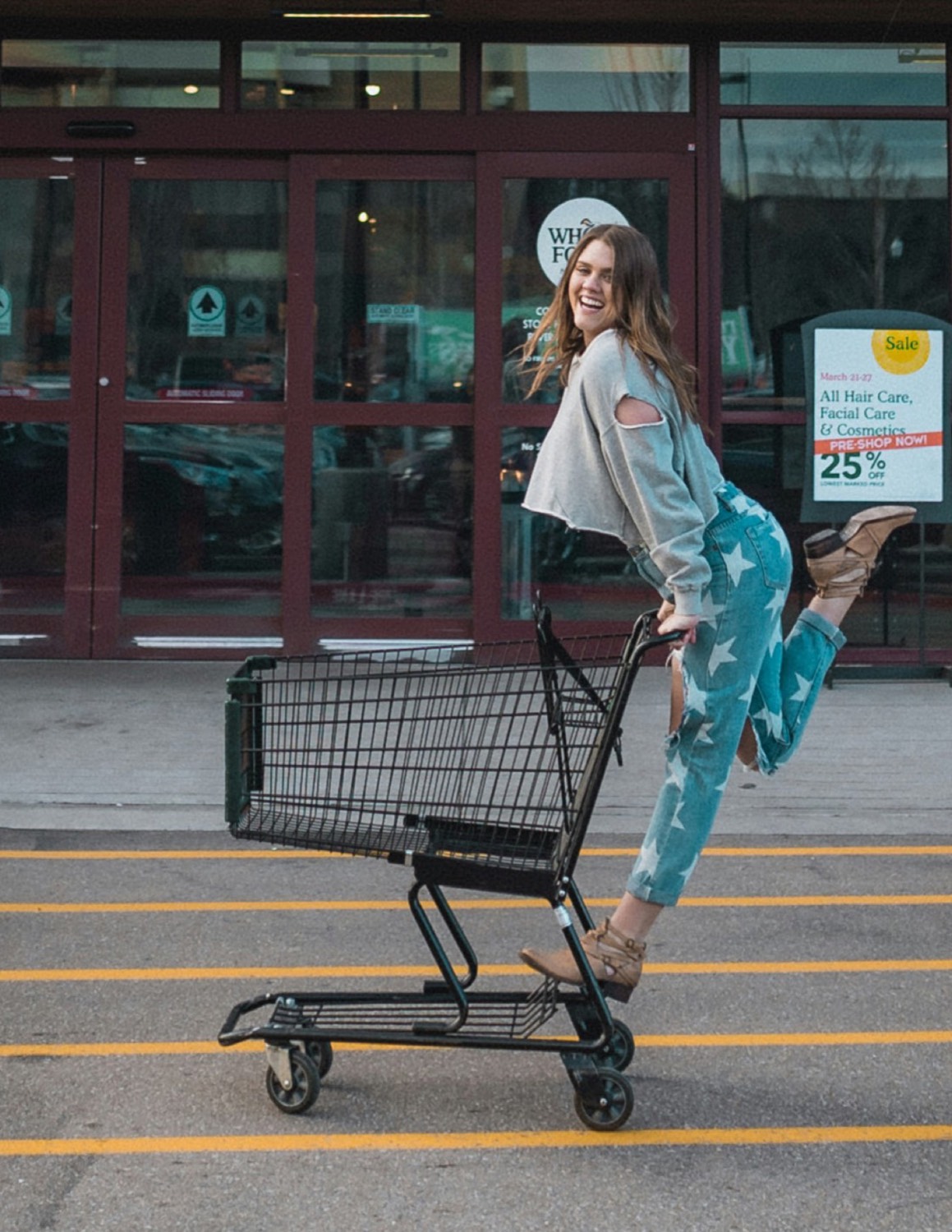
Maximizing moments. Minimizing effort.
The store is not ideal
until the shopper feels
the time was well spent.
Next case study
Exterview Design System